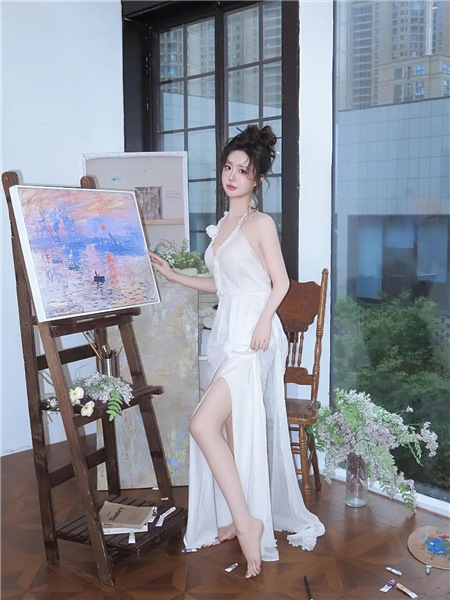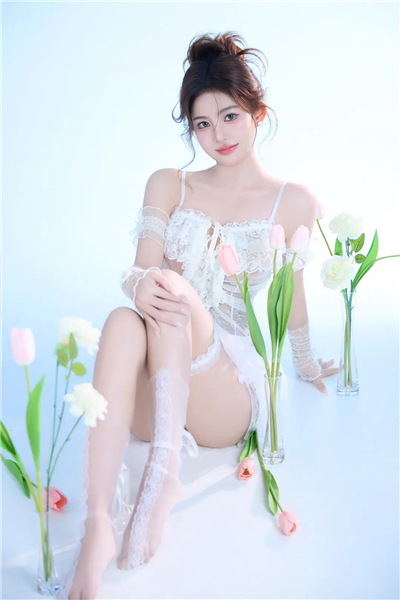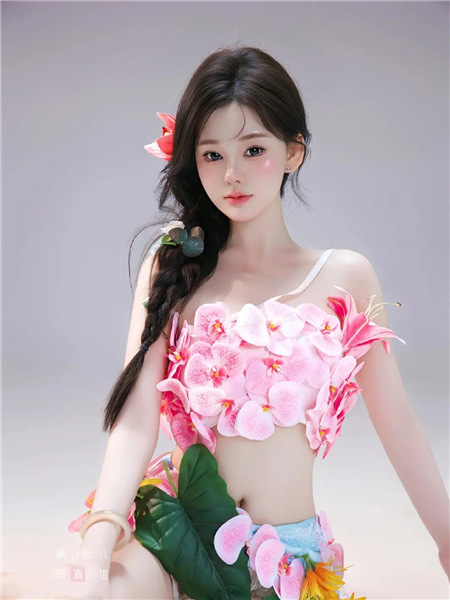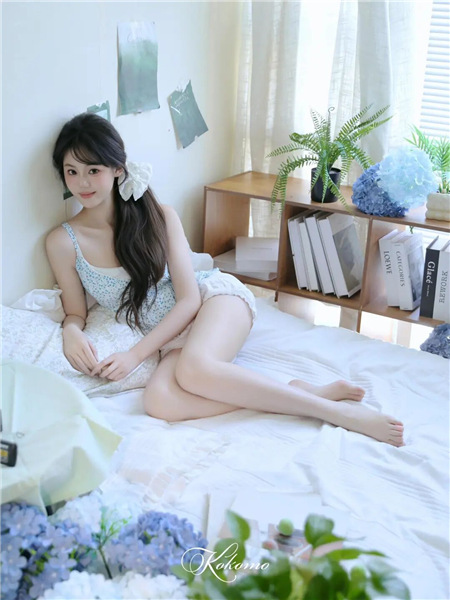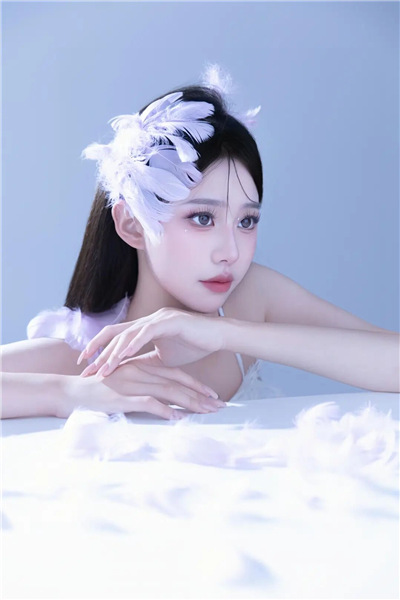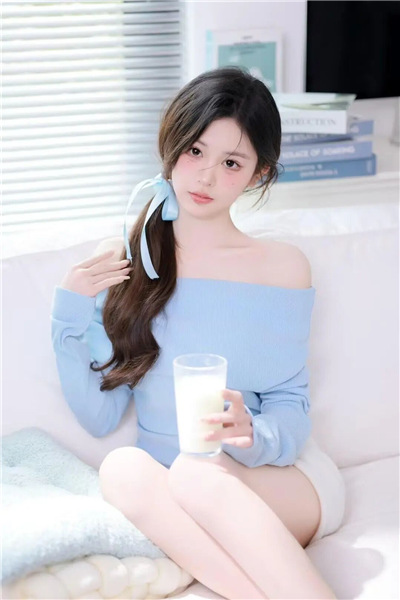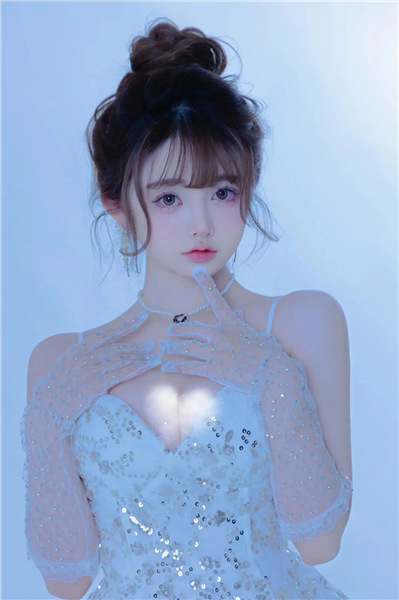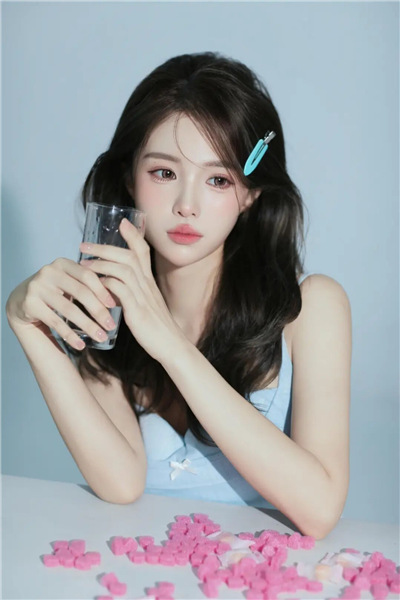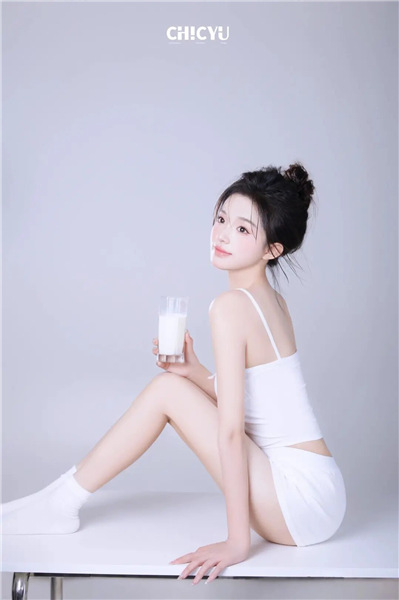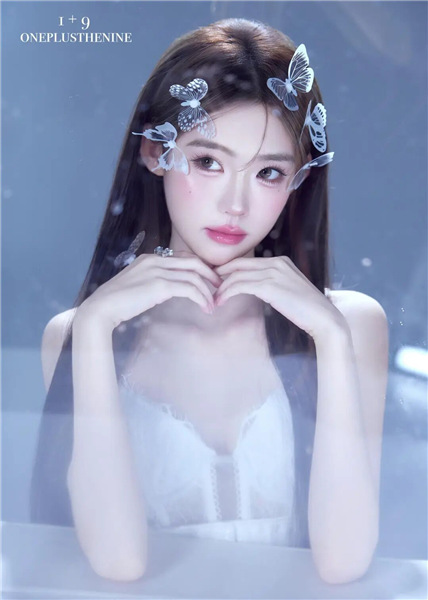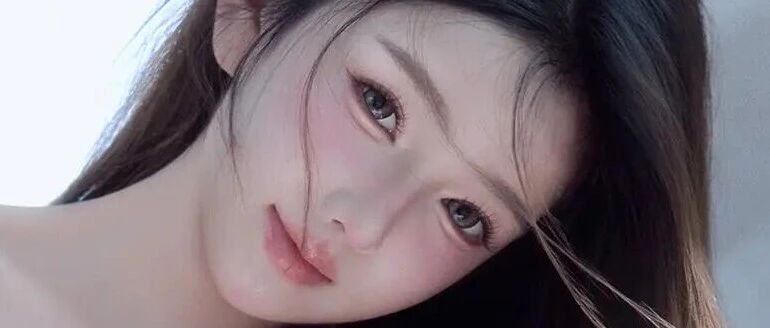
Among portrait photography styles, Korean light oxygen studio portraiture has risen in popularity for its perfect blend of everyday-life settings and subtle pure-desire ambiance. It abandons stiff, posed shots typical of traditional portrait sessions. By incorporating studio props like dress forms, sketchboards and thread spools, it creates a genuine, laid-back shooting environment filled with narrative charm and authentic life vibes. This style features translucent cool-white tones paired with soft, gradual light transitions that deliver naturally smooth skin textures similar to beauty filters. Simple outfits and lively poses further highlight the youthful vitality of young women, making it a highly sought-after theme for portrait studios and photography enthusiasts alike.
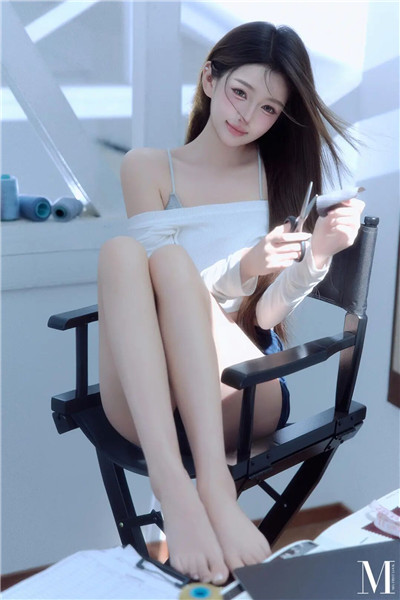
Whether you aim for fresh, sweet campus aesthetics or gentle, intellectual mature-girl vibes, Korean studio portraiture can deliver diverse visual results by adjusting scenes, lighting, makeup and styling to fit a wide range of aesthetic preferences.
I. The Unique Charm of Korean Studio Portraits: The Dual Appeal of Daily Scenes & Light-Oxygen Atmosphere
The core highlight of Korean light oxygen portraiture lies in its seamless combination of lifelike settings and soft pure-desire mood. Ditching the artificial posing of conventional portraits, it leverages clothing studio staples such as dress forms, drawing boards and thread reels to build a relaxed, authentic shooting space brimming with storytelling and everyday warmth. Dominated by translucent cool-white tones and gentle light gradients, this style delivers flawlessly smooth skin akin to built-in softening filters. Minimalist outfits and dynamic poses bring out bright youthful energy, securing its spot as a top trending theme among portrait studios and hobbyist photographers.
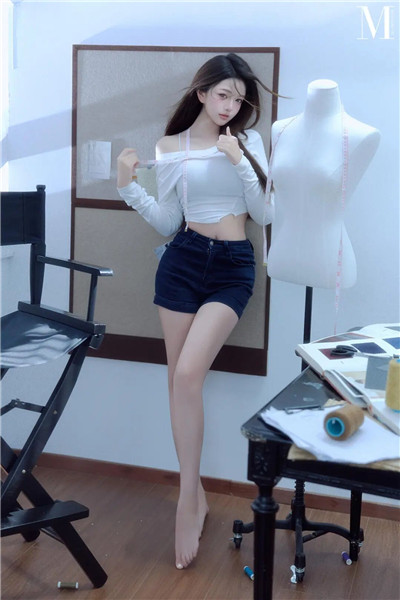
From fresh sweet campus looks to soft sophisticated light mature styles, tweaks to scenery props, lighting and makeup styling allow Korean studio portraiture to adapt to countless aesthetic tastes.
II. Pre-Shooting Preparation: Core Steps for Korean Light Oxygen Studio Portraits
- Scene Styling: Clothing Studio Props to Craft Narrative Daily Vibes
The core principle of scene setup for Korean light oxygen portraits is authentic restoration with subtle decorative props, building a detailed yet uncluttered everyday atmosphere.
Core Scene Selection: Use a clothing studio as the base setting. Utilize on-site dress forms, sketchboards, thread spools and workbenches to recreate a genuine fashion design space rich in storytelling. A minimalist empty studio paired with mirrors and easels is also viable to prevent dull, blank backdrops. Always keep backgrounds neat and tidy to ensure the subject remains the focal point.
Prop Utilization Tips: Integrate thread spools, color swatches and paintbrushes as interactive elements. Guide the model to engage naturally with props—holding thread reels or leaning lightly against workbenches—to eliminate stiff posing and infuse authentic daily warmth. Arrange props in staggered layers rather than dense clusters; place some in the foreground or background to add depth and dimensionality to the frame.
Natural Light Optimization: Prioritize studios with large windows for natural light shooting. Soft window light inherently creates a translucent filtered effect that aligns perfectly with the Korean light oxygen aesthetic. Adjust the model’s position so light hits them from the front side or diagonal rear to form smooth light gradients. Shadows cast by window frames add delicate layers of detail across the image.
- Light Control: Natural Light for Translucent Skin & Authentic Korean Atmosphere
Korean light oxygen portraiture has strict lighting requirements; soft, even natural light is the foundation of clear skin texture and fresh ambiance.
Main Light Source: Rely on window natural light between 9–11 a.m. or 3–5 p.m. At these hours, light carries a moderate color temperature without harsh glare, evenly illuminating the model’s face and body while forming gentle natural shadows along cheeks and necks to enhance dimensionality. If indoor natural light is insufficient, use softboxes to mimic diffused daylight. Avoid harsh hard light, which creates heavy facial shadows and rough skin texture.
Fill Light & Reflector Techniques: Use a reflector to brighten shadowed areas on the model, narrowing contrast on the face and achieving a translucent porcelain skin finish. Supplementary fill lamps can balance overall exposure to eliminate overly bright or dark patches. Slightly brighten background lighting to clearly display studio details while creating soft light contrast between the subject and backdrop, boosting spatial depth.
Atmospheric Light Tuning: Maintain low contrast and ultra-soft lighting overall, with color temperature fixed around 5500K to replicate the gentle texture of natural daylight and create an inherent soft-focus filter effect. Use window frames or blinds to cast faint linear shadow textures across the model, adding intricate layers and ambiance without monotonous lighting.
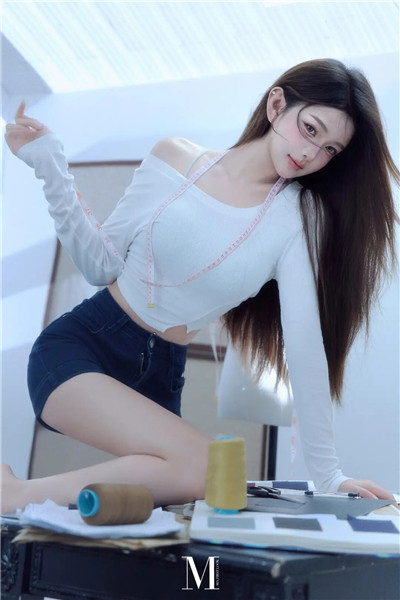
- Makeup & Outfit Styling: Minimalist & Refreshed for Korean Light Oxygen Aesthetics
The core logic of makeup and styling for this style is translucency + minimalism, crafting clear skin texture while highlighting bright youthful charm through understated outfits.
Makeup Guidelines: Build sheer, skin-adhering foundation for a natural “no-makeup makeup” finish that retains subtle skin texture. Stick to light brown and pink-brown eyeshadows for a naturally innocent gaze, paired with thin eyeliner and naturally curled lashes to enlarge eyes without dramatic heavy makeup. Choose pale pink, dusty rose or glossy lip gloss for dewy, luminous lips. Sweep light blush across the cheeks to amplify youthful vitality. Keep the full makeup clean and muted; bold saturated shades will disrupt the fresh atmosphere.
Outfit Matching: White off-shoulder long-sleeve tops paired with black denim shorts are an ideal combination for this style. The subtle off-shoulder cut showcases soft shoulder and neck lines, while high-waisted shorts optimize body proportions. The timeless black-and-white palette harmonizes seamlessly with studio surroundings and reinforces the fresh tonal scheme. Alternatives include simple white camisoles and knitwear matched with denim bottoms, toning down overt sexiness in favor of relaxed, bright youthful charm. Avoid overly elaborate cuts or vivid garish colors that break the clean fresh mood.
Hairstyle & Accessories: Opt for sleek straight black hair or loose soft waves, letting loose strands fall naturally over shoulders and necks for a lazy gentle vibe. Minimal hair ties and hair clips can be added as subtle accents to boost girlish energy. Keep hairstyles clean and effortless; complex intricate updos clash with the overall minimalist aesthetic.- Posing & Composition: Relaxed Natural Body Language to Convey Bright Soft Emotion
Stiff forced poses are to be avoided entirely. The focus lies on natural interaction between the model and studio surroundings to express bright yet tender moods.
Seated Poses: Sit on a director’s chair or workbench, legs loosely crossed or stretched out, torso slightly tilted sideways. Pair with actions such as holding a thread spool, resting the cheek in one hand or brushing hair to exude lazy youthful charm. Another option: rest one leg on the chair, lean forward slightly and interact with bench props for a lively playful feel.
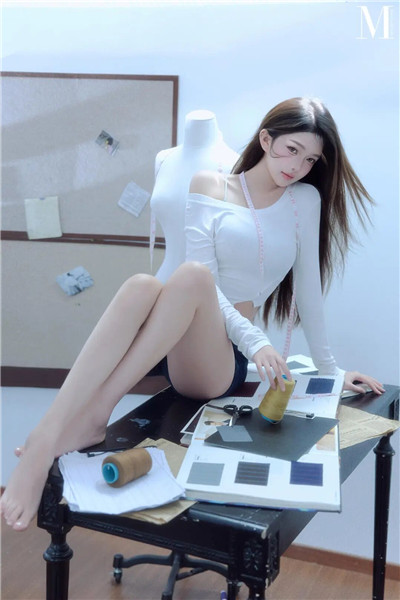
Standing Poses: Shift weight to one leg, bending the other slightly for a relaxed stance. Accompany with subtle movements like gently tugging at the top or leaning against a workbench to capture unforced ease. Side-profile standing shots with the model glancing back at the camera deliver soft, lively emotion. Ensure all limbs stretch naturally without rigid stiffness.
Composition Rules: Prioritize medium shots, close-ups and macro details. Medium frames capture the full model-and-studio layout to emphasize everyday atmosphere; close-ups zero in on facial expressions and shoulder-neck contours to convey soft sentiment; macro shots capture delicate interactions between hands and props to amplify youthful energy. Utilize foreground props (thread spools, sketchboards) to create blurred foreground bokeh, enriching frame layers and depth for fuller, more dimensional compositions.
III. Post-Production Color Grading: Restore Translucent Cool White Tones & Enhance Korean Light Oxygen Atmosphere
Color grading is the finishing touch for Korean light oxygen portraiture. Its core goal is to craft low-saturation, high-texture translucent cool-white tones while preserving skin translucency and intricate frame details.
Basic Adjustments: Lower overall contrast, lift shadows and reduce highlights for smoother light transitions. Fine-tune white balance to shift the entire frame toward a cool translucent tone, and calibrate tint to purify white clothing and backdrops, eliminating unwanted yellow or red casts. Slightly raise exposure to amplify the translucent soft-glow effect.
Color Optimization: Reduce saturation of red and yellow channels to correct yellowish or ruddy skin tones, while boosting saturation and luminance of blue channels to strengthen the signature cool-white palette. Calibrate skin tones to a translucent porcelain finish while retaining natural skin texture—over-aggressive skin smoothing results in unnatural mask-like complexions. Apply targeted color correction to studio props and backgrounds for unified soft hues, preventing cluttered mismatched shades from disrupting the cohesive style.
Atmosphere Enhancement: Add mild soft glow or subtle film grain to replicate the textured look of Korean fashion pictorials. Adjust vignetting to draw focus toward the central subject. Fine-tune light and shadow gradients via curve tools for seamless light shifts, further reinforcing the overall translucent cool-white light oxygen ambiance.