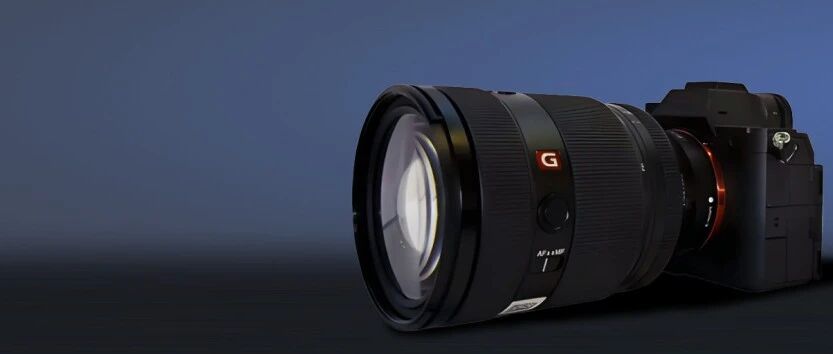
Sony sets its camera pricing with considerable confidence, and consumers have voiced widespread dissatisfaction with the steep launch price of the A7R VI. Many argue that the new model delivers barely perceptible improvements to still-image quality while posing steeper operational learning curves and more finicky handling. By contrast, the A7R V boasts a massive price advantage, retains top-tier image performance for landscape, still-life and portrait photography, and delivers outstanding overall cost performance—making it the optimal pick for most photography enthusiasts.
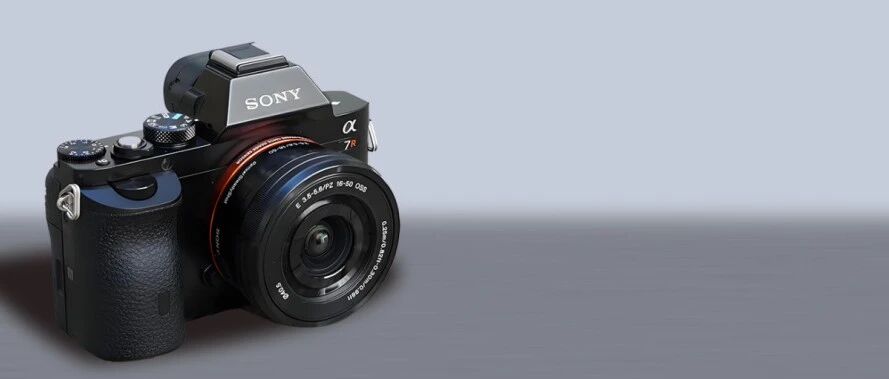
1. Huge Price Gap Makes the A7R V Far More Cost-Effective
- Sony A7R V: Official launch price of ¥25,999. Brand-new parallel import units and second-hand bodies now range from ¥16,000 to ¥20,000, creating an accessible entry point.
- Sony A7R VI: Official launch price of ¥31,799, with almost no substantial discounts available for new units.
The price difference between the two cameras exceeds ¥10,000—enough budget to purchase a premium prime lens such as the Sigma Art 50mm f/1.2. For image creators, pairing a solid camera body with a high-quality lens yields far more visible improvements than marginal upgrades to a newer generation camera body alone.
2. Minimal Improvements to Still Image Quality, Barely Distinguishable to the Naked Eye
Both cameras are engineered for high-resolution still photography, with extremely modest generational upgrades that go unnoticed in everyday shooting:
- Pixel count: 61MP on the A7R V vs 66.8MP on the A7R VI, a mere 9.5% pixel increase.
- Sensor architecture: The A7R V uses a back-illuminated sensor, while the A7R VI upgrades to a full stacked sensor.
- Dynamic range: Roughly 15 stops on the A7R V; the A7R VI hits around 16 stops only at low ISO values, with dynamic range dropping noticeably under electronic shutter or high ISO settings.
In real-world shooting, routine editing, and print sizes up to A3/A2, there is no visible difference in output quality between the two bodies. Only hyper-scale commercial printing, heavy cropping, and extreme post-production grading reveal a minor performance gap.
For landscape, architectural, still-life and regular portrait shooters, the A7R V’s image quality is fully sufficient. The A7R VI’s enhancements are incremental luxuries rather than essential upgrades.
3. The A7R VI Has a Steeper Learning Curve and Is Harder to Operate Daily
The A7R VI’s higher pixel count and redesigned sensor impose stricter demands on shooting environments, supporting gear and shooting technique, resulting in a less forgiving user experience for casual users compared to the A7R V:
- Larger file sizes: A single RAW shot from the A7R V weighs approximately 80MB, while the A7R VI hits 100MB per frame. This raises requirements for computer processing power, hard drive storage and post-processing speed, frequently causing software lag and storage shortages.
- Lower shooting tolerance: Ultra-high-resolution sensors rely heavily on camera stability. The A7R VI is far more prone to subtle motion blur when handheld, essentially forcing tripod and cable shutter use for sharp results and limiting spontaneous shooting scenarios.
- Persistent buffer limitations: Both cameras fill their buffer after just 1–2 seconds of continuous shooting, preventing extended burst capture. This drastically reduces the practical value of the A7R VI’s faster burst rate.
4. The A7R VI’s Core Upgrades Are Irrelevant to Most Photographers
All transformative upgrades on the A7R VI target dynamic shooting and professional video production, catering to niche professional needs that most users will never leverage:
- Enhanced burst performance: Burst speed lifted from 10fps to 30fps, plus pre-capture functionality, ideal for bird, wildlife, sports and fast-event photography.
- Top-tier video specifications: Uncropped 4K 120p, 8K 30p (1.2x crop factor), and near-10K oversampling—features highly valued by professional videographers.
- Reduced rolling shutter distortion: Greatly mitigates warping when filming fast-moving subjects under electronic shutter.
If your workflow centers on static subjects including landscapes, still life, architecture and studio portraiture, with minimal video work and no high-speed action capture requirements, none of the A7R VI’s flagship upgrades will deliver tangible value, making the extra expenditure completely unnecessary.
5. Incompatible Accessories Bring Higher Hidden Upgrade Costs
The A7R V uses the mature NP-FZ100 battery, widely available at low prices with abundant third-party alternatives, delivering reliable endurance at a low long-term cost.
The A7R VI adopts a brand-new proprietary battery standard incompatible with older high-resolution Sony bodies. Original batteries carry a steep price tag, third-party options remain scarce, and cumulative replacement and spare battery expenses create greater hidden overhead over years of use.
Target Buyer Guide: Who Should Choose the A7R V vs the A7R VI
Opt for the Sony A7R V if you:
- Focus primarily on static photography: landscapes, architecture, still life, studio portraiture;
- Rarely shoot video and have no demand for high-speed burst capture of birds, wildlife or sports;
- Pursue supreme image quality while prioritizing cost performance and controlled budget;
- Already own an established lineup of Sony lenses and wish to avoid extra equipment expenditure.
Opt for the Sony A7R VI if you:
- Have non-negotiable professional video demands requiring high-spec 4K/8K recording;
- Specialize in dynamic action capture: birding, wildlife, competitive sports, fast-paced wedding events;
- Have an ample budget and seek a single all-round flagship body for long-term ownership.
Final Verdict
The A7R VI is a next-generation all-round high-speed flagship, with its competitive edges concentrated in video recording and dynamic subject capture. The A7R V remains a cost-effective high-resolution flagship with uncompromised static photography performance.
As of 2026, if you have no need for professional high-format video or extreme high-speed action shooting, the A7R V delivers vastly superior value for money and is the sensible default choice.