Rumors surrounding the Canon EOS R5 Mark III have been swirling heavily across photography communities lately. Many professional photographers, wildlife and bird photographers, and video creators are holding off on purchases, planning to wait for the new model’s release before buying.
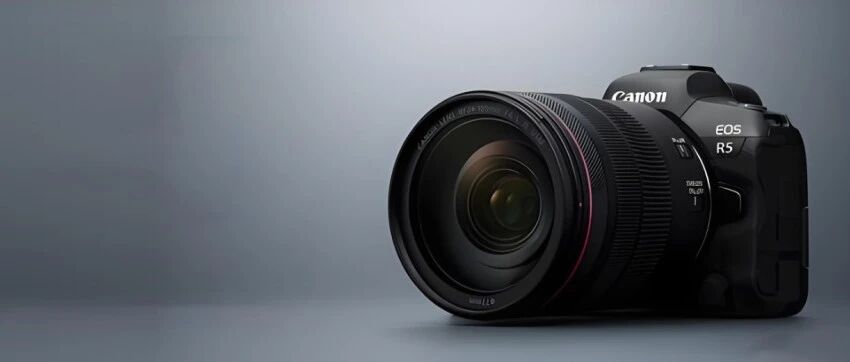
However, compiling credible overseas leaks, Canon’s standard product upgrade cycle patterns, and internal disclosed information, there is no need to patiently wait for the R5 Mark III. The camera will feature only trivial overall upgrades with no standout improvements worth anticipating. Buying the R5 Mark II right now delivers far better value instead.
1. Barely Noticeable Upgrades to the Core Image Sensor
The Canon R5 Mark II houses a 45-megapixel stacked full-frame sensor. Its native image quality, dynamic range, and high-ISO noise reduction already place it among the top-tier professional flagship cameras, more than sufficient for landscape, portrait, wildlife/bird, and commercial shooting.
Reported specifications for the R5 Mark III indicate it will retain the exact same 45-megapixel sensor. There will be no boost in pixel count nor a brand-new underlying sensor architecture — only minor tweaks to power consumption. Its resolving power and high-light performance will be virtually indistinguishable from the R5 Mark II.
2. Marginal Tweaks to Processor and Burst Shooting; No Game-Changing Improvements
The R5 Mark II uses the DIGIC X image processor paired with a dedicated accelerator chip. It delivers up to 30fps continuous shooting via the mechanical shutter, with smooth blackout-free high-speed bursts in electronic shutter mode, easily handling sports and wildlife capture.
The R5 Mark III will reuse the same generation processor architecture. It will only see minor processing speed boosts through firmware-level optimizations, with no major jump in burst frame rate. Real-world shooting experience, tracking performance during bursts, and battery life for continuous shooting will feel nearly identical to the R5 Mark II.
3. No Major Enhancements to Video Recording Capabilities
The R5 Mark II supports internal 8K 60p RAW recording, high-frame-rate 4K 120p footage, and Canon Log 3 color profile. Its thermal management and bitrate settings fully satisfy professional filmmakers and commercial studio video production requirements.
Leaks state the R5 Mark III will not introduce any higher-tier recording formats; it will only add standard 6K 120p recording. It merely optimizes a handful of low-bitrate recording options and slightly adjusts thermal handling for extended recording sessions. It fails to fix core pain points of the previous generation and does not unlock higher-end full-aperture recording features.
4. In-Body Stabilization, Battery Life, and Ergonomics Remain Largely Unchanged
- Image Stabilization: The R5 Mark II offers up to 8.5 stops of 5-axis in-body image stabilization. The R5 Mark III will only receive minor algorithm adjustments, resulting in negligible real-world stabilization differences when shooting handheld telephoto shots or long exposures.
- Battery & Body Design: It keeps the existing LP-E6P battery standard. Body dimensions, weight, button layout, and articulating screen structure will stay identical, matching the R5 Mark II in grip comfort and portability.
- Memory Card Slots: The dual-slot setup of CFexpress Type B + SD UHS-II will be retained, with no adoption of next-generation storage formats.
5. Reasons to Skip Waiting for the Canon R5 Mark III
This iteration is only a minor facelift rather than a full generational refresh, lacking revolutionary core hardware upgrades — a classic incremental “slow drip” update from Canon.
Prices for the R5 Mark II have stabilized at present. New camera launches always carry steep price premiums, making waiting for the new model extremely poor value for money.
Canon will continue rolling out firmware updates for the R5 Mark II to add new features and refine video, autofocus, and file transfer performance, bringing its overall user experience on par with the upcoming model.
Whether you shoot wildlife and birds, landscapes and portraits, or produce professional video content, the hardware specifications of the R5 Mark II will remain competitive for the next three to five years.
In summary, the Canon R5 Mark III lacks meaningful upgrade value. The gap between its core specs and real-world performance versus the R5 Mark II is extremely narrow. There is no need to blindly chase the newest release; now is the ideal window to purchase the R5 Mark II, rather than wasting time and money waiting for a lightly revised camera.
If you currently own the original R5, however, I believe the R5 Mark III is worth waiting for.