“A bigger sensor always crushes everything else.”
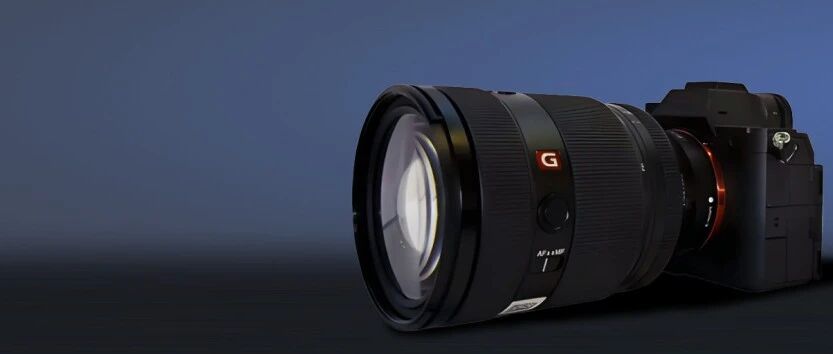
This age-old saying has long been a universal belief among photographers. From complete beginners to working professionals, upgrading to a full-frame camera has always been the ultimate goal for most creators.
For years, full-frame sensors stood for superior image clarity, natural creamy bokeh and cleaner low-light performance. They were viewed as the benchmark of professional photography and the key standard to judge overall camera capability.
Put simply, full-frame cameras once ruled the photography industry with unchallenged superiority.
However, a game-changing shift has swept across the camera market in the past two years. Full-frame cameras are rapidly losing their absolute advantage, and the era of blind full-frame obsession is coming to an end.
Back Then: Full-Frame Was Indispensable
During the DSLR era and the early days of mirrorless cameras, full-frame systems delivered overwhelming, irreplaceable performance with zero room for compromise.
Crop APS-C cameras suffered from inherent flaws that could not be fixed: heavy noise in night photography, limited dynamic range, fake stiff bokeh and dull color depth. Shooting the identical scene with the same settings, full-frame cameras produced crisp, transparent shots, while APS-C cameras yielded muddy, noisy and unsatisfying results.
Most importantly, early cameras had almost no computational photography algorithms. Image quality relied solely on physical sensor hardware. There was no AI noise reduction, multi-frame stacking or computational light correction to make up for hardware shortcomings.
The hardware gap was permanent and unbridgeable. As a result, the fixed mindset — full-frame equals professionalism and premium image quality — has dominated the photography community for over a decade.
How Modern Algorithms Closed the Sensor Size Gap
Today, camera competition is no longer a simple battle based purely on sensor size.
The biggest industry shift in recent years is clear: software algorithms have outperformed hardware advantages. This is the core reason why full-frame cameras have lost their unique competitive edge.
Five years ago, crop cameras lagged far behind full-frame models in low-light performance, dynamic range and bokeh rendering. But the latest 2025-2026 APS-C cameras have achieved comprehensive upgrades. Packed with next-generation crop sensors, advanced AI imaging engines, intelligent noise reduction, light reconstruction and multi-frame synthesis technology, modern crop cameras have caught up with nearly all the exclusive strengths that once belonged only to full-frame cameras.
1. Minimal low-light quality gap
Class-leading high ISO performance was once full-frame cameras’ biggest selling point. Now mid-range APS-C cameras adopt precise AI noise reduction that distinguishes fine details from digital noise intelligently. It removes noise effectively without over-smoothening textures, delivering ultra-clean night shots.
For daily night scenes, indoor dim environments and night portraits, the average person cannot tell any visible difference between full-frame and APS-C photos.
2. Greatly narrowed dynamic range difference
Old crop cameras easily produced crushed shadows and blown highlights when shooting high-contrast scenes such as backlit portraits, sunrises and harsh landscape lighting. New APS-C cameras feature improved native dynamic range, paired with built-in HDR and intelligent exposure balancing. They handle nearly all daily and commercial shooting scenarios perfectly, with enough exposure latitude to satisfy post-processing demands for over 90% of creators.
3. Bokeh effect is no longer full-frame exclusive
Most photographers pursue full-frame cameras just for softer, more natural background blur. Two major changes have changed this landscape completely:
- New premium crop camera lenses feature wider maximum apertures, boosting physical optical bokeh performance greatly;
- Advanced onboard AI bokeh detection accurately separates subjects and background layers, generating full-frame-level natural blur without obvious artificial cutout edges.
4. Disappearing pixel gap between full-frame and crop sensors
Some commercial photographers still insist only full-frame cameras support large-scale photo printing, but this belief is outdated.
Modern APS-C cameras keep receiving higher-resolution sensor upgrades. Their pixel performance now fully meets commercial large-format printing requirements, breaking full-frame’s long-term monopoly in professional commercial shooting.
Growing Shortcomings of Full-Frame Cameras
❌ Bulky body and poor portability
Full-frame camera bodies are inherently heavy. When matched with professional f/2.8 constant-aperture zoom lenses, a complete camera kit weighs 2 to 3 kilograms. The heavy load ruins shooting experience for travel photography, street snapshots and handheld video recording, meanwhile shortening effective battery life and worsening handheld grip comfort.
Many users impulsively buy full-frame cameras but leave them unused at home due to their heavy weight, turning expensive gear into wasted one-time purchases.
❌ Excessive price premium with marginal quality gains
An entry-level full-frame camera and basic lens set costs at least 10,000 RMB, while flagship full-frame kits cost 20,000 to 30,000 RMB. Lens upgrades and accessory replacements also bring continuous high costs.
Yet most users cannot notice any meaningful image quality improvement, even after paying nearly double the budget for a full-frame system.
✅ Core strengths of APS-C crop cameras
- Telephoto crop advantage: The 1.5x crop factor provides extra telephoto reach, outperforming full-frame cameras with the same physical focal length for bird and wildlife photography;
- Optimized ultra-wide shooting: Slim modern wide-angle lenses designed specifically for crop systems make ultra-wide landscape shooting far more convenient;
- Better overall user experience: Lighter bodies, more comfortable handheld grip, longer battery endurance, lower overall cost and abundant dedicated lens options.
For daily photography, short video creation, travel vlogs and social media content, APS-C cameras deliver better all-around experience at a lower cost.
Market Trend Verification: Shipments of high-end full-frame flagship cameras drop year by year, while mid-range portable APS-C cameras dominate the mainstream market with rising sales. The strong return of crop sensor cameras is an irreversible industry trend.
Final Conclusion: Sensor Size Does Not Define Good Photography — Suitability Is Everything
To clarify upfront: This article does not deny the value of full-frame cameras, but aims to break the unreasonable blind worship of full-frame gear.
Undeniably, full-frame cameras still hold irreplaceable hardware advantages in top-tier professional scenarios: high-end commercial shooting, giant photo output, professional landscape photography and cinematic video production. They remain the top pick for professional commercial photographers.
However, for 95% of photography enthusiasts, content creators and casual daily shooters, full-frame cameras are no longer necessary.
Camera selection logic has completely reversed:
- Old mindset: Choose cameras based on sensor size — bigger is always better;
- New mindset: Choose cameras based on real shooting demands — the most suitable camera is always the best.
Photography creation should no longer be restricted by hardware parameters or sensor size thresholds.
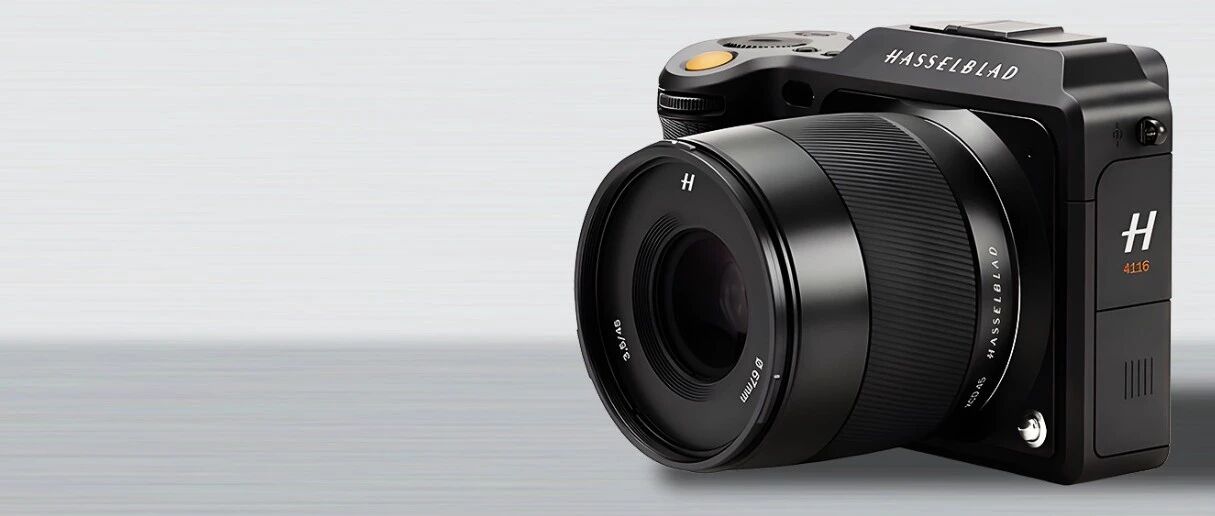
One last objective point: Full-frame sensors still cannot match medium-format sensors in raw hardware performance. Meanwhile, the image quality gap between full-frame and APS-C cameras keeps shrinking constantly, while their price gap remains huge. The expensive premium cost of full-frame cameras is becoming increasingly unjustified for ordinary users.