I cannot quite wrap my head around the online frenzy sweeping across social media lately: countless people blindly hype up every new AI imaging gadget based on hearsay, following trends without a second thought. What makes this even more confusing is that many of these enthusiasts claim to be professional photographers. Photographers are supposed to be artistic elites with clear, independent creative minds, yet some among them hold such muddled, contradictory views. Most of these debates boil down to basic common sense:
Technological advancement itself is blameless. The problem lies in people who make unthinking judgments and misinterpret new technology. Instead of developing a rational understanding of AI-powered devices, many only shower them with blind praise. Some even go as far as claiming smartphone AI algorithms outperform full-frame and medium-format cameras, dismissing traditional cameras as obsolete relics that ought to be discarded entirely. However, one critical truth remains: there are countless core photographic demands that AI simply cannot fulfill.
Let us set documentary and journalistic photography aside for a moment—using AI-generated imagery for humanistic documentary work amounts to fabricating reality, which is essentially falsification in visual form. We will focus solely on the technical aspects of professional photography below, broken down into four distinct scenarios to draw a clear line between real shooting and AI-generated visuals:
1. Landscape Photography Rooted in Objective Reality: Never Let AI Fabricate Missing Details
When shooting landscapes, hardware limitations of your camera or lens may leave distant scenery indistinct and lacking clear texture. If you rely heavily on AI to forcibly reconstruct these unclear elements, the result will merely be the machine’s speculative interpretation based on its training datasets, which diverges drastically from the actual real-world scene. This is not auxiliary AI post-processing; it is AI distorting reality.
Minor blurriness on secondary, non-central elements in a frame is far preferable to algorithmic fabrication. AI frequently misinterprets blurry distant trees and conjures non-existent structures like thatched cottages in their place.
Photography is fundamentally grounded in reality: it draws from real life and may elevate artistic expression through creative vision. Once it twists or abandons objective truth, it ceases to be photography and becomes illustration instead.
2. Rigorous, Fact-Based Photography (Macro Shots, Scientific Documentation, Etc.): Realistic Records Cannot Be AI “Drawn”
Take macro photography of insects as an example. If your equipment lacks the resolution to capture fine biological textures, activating built-in AI computational enhancement will prompt the algorithm to reconstruct details according to its internal data models. The resulting anatomical structures will bear no resemblance to the actual living creature.
Images like this are not just flawed low-quality shots—they are completely worthless records. When used for scientific research and archiving, they mislead academic judgment and cause lasting negative consequences, making them entirely unacceptable for professional use.
I acknowledge that AI computational processing can help refine image quality, yet strict boundaries must govern its application. Information that AI has no business altering should never be handed over to algorithms, as they routinely distort real features. Even when AI tools are enabled, human oversight of their intervention level is mandatory.
3. Aesthetic Commercial Photography with Acceptable Stylization: AI Usage Depends on Client Expectations
For wedding portraiture and similar commercial work centered on flawless, dreamlike aesthetics, full AI algorithmic enhancement is permissible if the client embraces hyper-realistic beautification. On the other hand, if the subject rejects artificial reshaping of their facial features or physique, you must rely on high-performance camera hardware paired with subtle manual retouching or mild AI tweaks—extensive artificial reconstruction of human likenesses is off-limits.
4. Recreational Creative Photography Unbound by Realism: AI Can Be Fully Unrestrained
For casual, purely entertaining visual creation, traditional digital cameras cannot compete with AI in creative potential, and full algorithmic freedom is entirely justified. Powered by massive backend datasets, AI achieves imaginative effects nearly impossible to capture via real-world shooting. In this niche, there is no harm in letting AI unleash its full creative capacity.
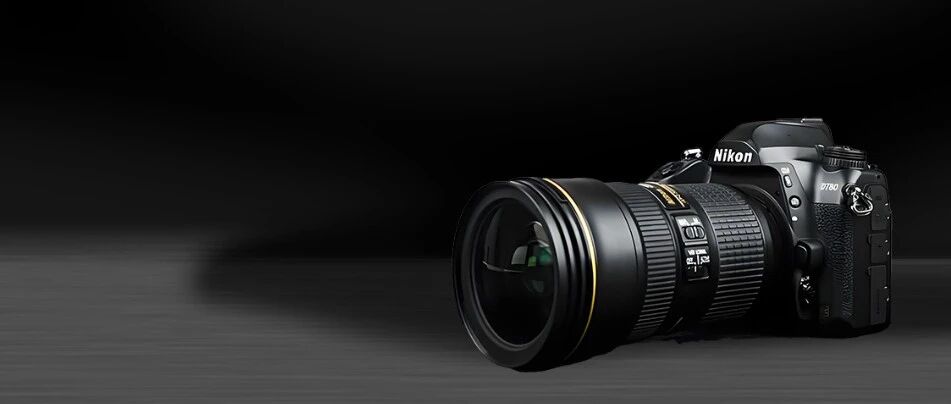
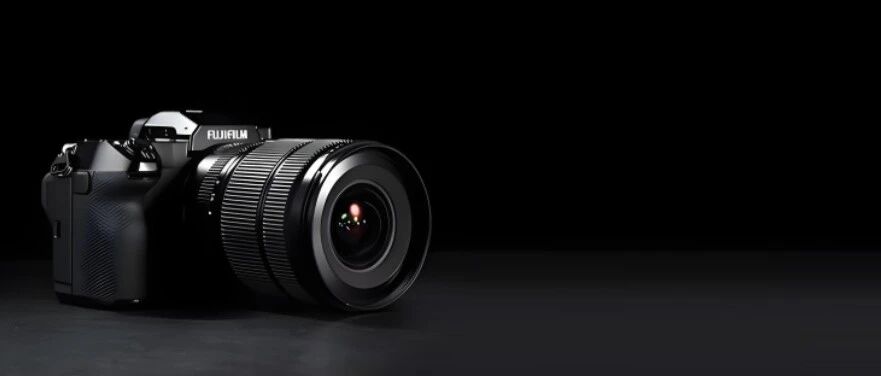
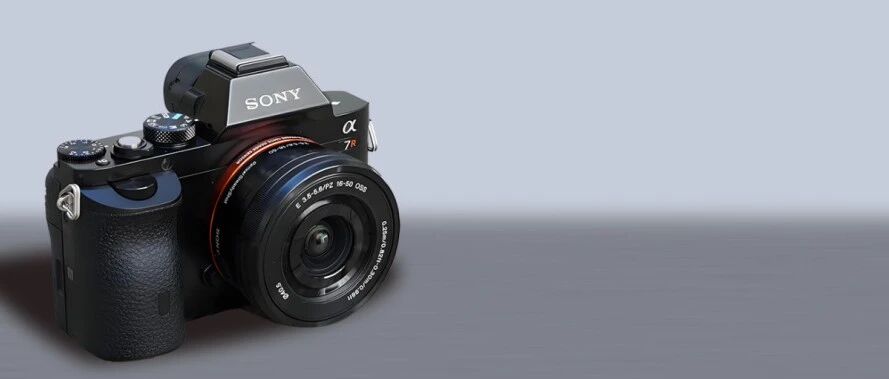
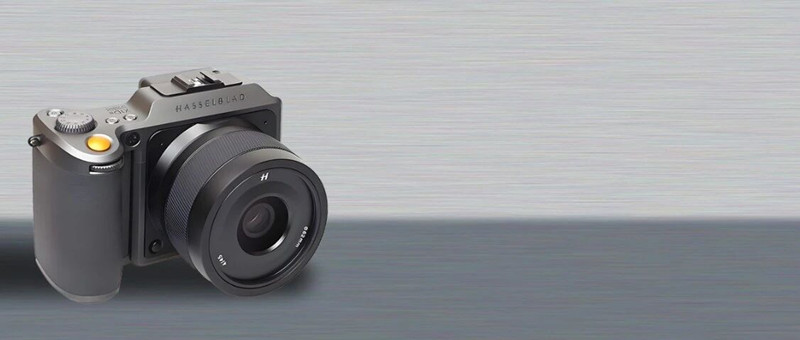
Camera-shot photography and smartphone computational imaging exist as two separate categories, a divide clearly reflected by how galleries host them in separate exhibition sections.
Conclusion
Photography originates from objective reality. Making subtle adjustments to a frame based on creative intent is worlds apart from letting AI invent entire scenes from scratch.
All professional photographers must correct this amateurish, one-sided line of thinking: AI functions only as an auxiliary shooting tool, designed to optimize footage rather than warp or manufacture real-world subjects. Our ultimate pursuit is always a photograph captured through actual shooting—not an illustration conjured purely by AI.
Computational imaging stands apart from real-life photography; the boundary between the two must never be blurred.