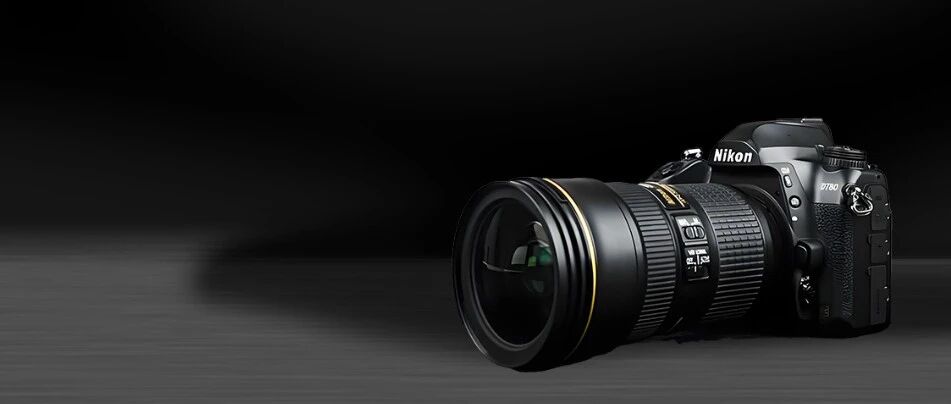
This topic is not casually brought up. In an age when mirrorless cameras have gained widespread popularity, many people believe older DSLRs are ready to retire. However, there is one camera model that still serves as the primary gear for countless wildlife, sports and bird photographers even in 2026 — the cost-effective Nikon D500.

It is not a full-frame camera, yet it is hailed as the king of APS-C cameras. Launched in 2016, it has never had a genuine successor to this day.
For photographers who stick to the F-mount and value reliability, tracking autofocus, battery life and stability under extreme conditions, the D500 is well worth keeping, or even purchasing second-hand.
I. Its Outstanding Original Performance Makes It Highly Competent Even Now
The D500 marks the peak of Nikon’s APS-C DSLR lineup, with many specifications matching those of the flagship D5:
- 20.88-megapixel APS-C sensor without an optical low-pass filterThe moderate pixel count balances shooting speed, high ISO performance and detail retention, leaving ample room for post-processing RAW files.
- 153-point autofocus system (99 cross-type points), same as the D5It covers roughly 80% of the frame and supports focusing down to -4EV, enabling steady subject locking at dusk, in dense woods and against strong backlight.
- Up to 10fps continuous shooting, capable of capturing more than 200 RAW images in one burstIt delivers seamless shooting for birding, sports, motor racing and all fast-moving subjects, with no blackout or lag.
- Native ISO range from 100 to 51200, expandable to ISO 1640000Its high ISO capability remains top-tier among APS-C cameras, handling night shots, low-light documentary and indoor sports perfectly.
- Magnesium alloy body with dust and drip resistance, dual card slots (XQD + SD)It can withstand harsh shooting environments including rainforests, sandstorms and low temperatures, with unrivaled stability.
- Tilting touchscreen and 4K 30p video recordingThough not designed as a dedicated video camera, it fully meets demands for event recording and short clips in emergency scenarios.
To put it simply, the Nikon D500 is a professional tool built for top-tier speed, tracking autofocus and durability, rather than a casual consumer camera.
II. Why It Is Worth Retaining to This Day
1. Its Tracking Autofocus Still Outperforms Many Entry-level Mirrorless Cameras
New mirrorless cameras excel at AI subject recognition, portability and video functions, but the D500’s professional autofocus module still prevails in continuous tracking, subject locking amid complex backgrounds and lossless burst shooting.
- Bird photography: When birds fly back and forth amid cluttered backgrounds, its 3D tracking paired with the full 153-point system remains the top choice for veteran bird photographers.
- Sports photography: For basketball, football and motor racing, 10fps shooting plus persistent subject locking delivers an extremely high keep rate.
- Low-light shooting: It delivers reliable focusing at dawn, in forests and under dim indoor lighting thanks to its -4EV focusing sensitivity.
2. The F-mount Lens Library Is Its Biggest Competitive Advantage
Nikon has fully shifted its focus to the Z-mount system, yet decades of accumulated F-mount lenses form an irreplaceable ecosystem:
- Affordable second-hand options: Used 70-200mm f/2.8, 300mm f/4 PF and 200-500mm lenses offer incredible value for money.
- Extensive options: The lineup ranges from low-cost vintage manual lenses to premium f/2.8 professional zooms.
- Natural telephoto advantage from the APS-C 1.5x crop factor:A 300mm lens equals a 450mm equivalent focal length, and a 500mm lens equals 750mm, which cuts costs significantly for wildlife and bird photography.
A complete D500 telephoto kit often costs less than half of an equivalent Z-mount mirrorless setup, while boasting superior durability.
3. Battery Life and Durability Surpass Most Mirrorless Cameras
Powered by the EN-EL15 battery, the D500 is rated to shoot about 1230 frames per charge; in real daily shooting, 800 to 1000 shots are easily achievable.
- No power bank needed for full-day outdoor trips, freeing users from battery anxiety.
- DSLR mechanical structures hold up better than mirrorless cameras under extreme cold, heat and humidity.
- Long-lasting mechanical shutter with crisp tactile feedback, bringing a unique ritual feel to photography.
4. Stable Second-hand Resale Value and Great Retention Rate
New production has long been discontinued, yet well-preserved used D500 units still stay priced between 3500 and 4500 RMB, more expensive than many entry-level full-frame cameras — solid proof of its irreplaceable reputation among photographers.
If you already own a D500, do not rush to sell it. Professional APS-C DSLRs of this grade are growing increasingly rare.
III. Who Should Own or Keep a D500?
Ideal Users
- Bird, wildlife and nature photographers
- Sports, motor racing, aviation and fast-action shooters
- Photographers who frequently work outdoors in harsh environments
- Owners of existing F-mount lens collections unwilling to switch camera systems
- Professional and advanced enthusiasts seeking stable performance, high keep rates and stress-free shooting
Less Suitable Users
- Creators focused on live streaming, vlogging and lightweight portable shooting
- Casual travel photographers with an extremely tight budget
- Shooters who only prefer the operating logic of mirrorless cameras
IV. Final Opinion: It Is Not Outdated, But a Near-Perfect Design
The D500 is not an outdated old camera; it represents the perfect closing masterpiece of Nikon’s APS-C DSLR era. Its shooting speed, autofocus tracking, battery endurance, build quality and lens ecosystem have nearly reached the ultimate limit for crop-sensor cameras.
Even after Nikon releases a new flagship APS-C Z-mount camera, the D500 will still remain an essential tool for specialized shooting subjects.
My verdict is clear: hold onto it and make full use of it. It still retains great value, delivers outstanding performance and cannot be replaced.