As a professional photographer working in the industry, I have a sincere piece of advice for all photography enthusiasts: get rid of three unnecessary gear shopping urges as early as possible.
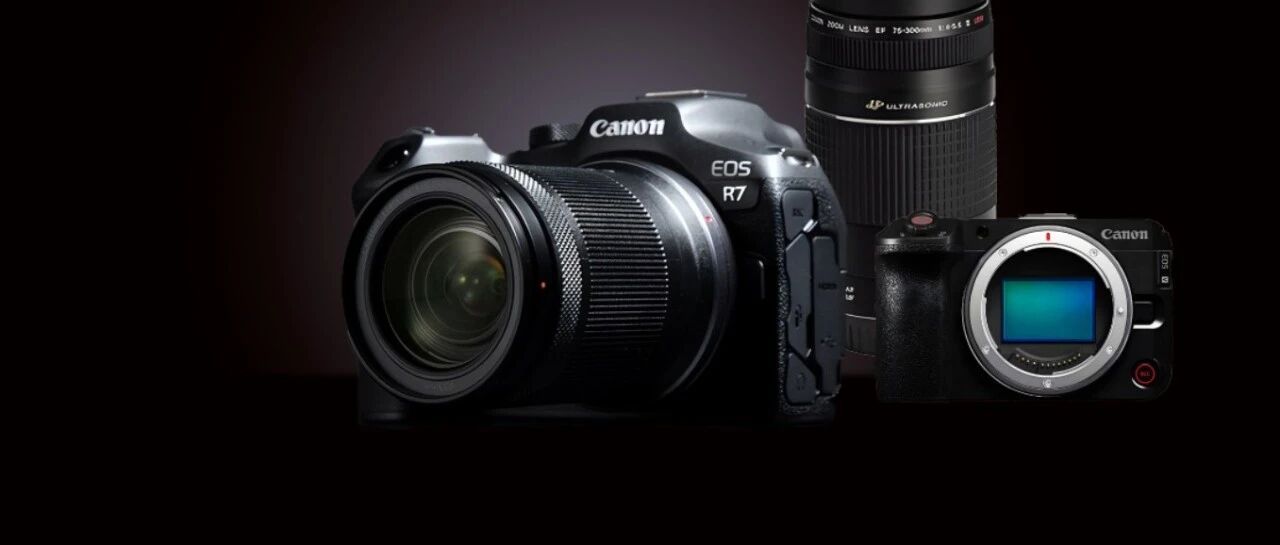
Many photographers obsess over compact professional cameras, hoard superzoom all-in-one lenses, and stock up on multiple backup camera bodies. In the end, they end up with piles of unused gear. This not only drains your wallet, but also brings extra troubles from idle equipment and holds back the improvement of your photography skills.
The core gap between professional photographers and amateur shootersnever lies in the quantity or appearance of your gear, but in your understanding of light, composition and visual storytelling.
Instead of suffering from endless gear anxiety and wasting money blindly, abandon these three wrong shopping obsessions. Redirect your time, budget and energy back to photography itself — this is the only way to grow into a true professional.
1. Give Up Obsessing Over Compact Professional Cameras: Small Size ≠ Professional Performance, Usability Comes First
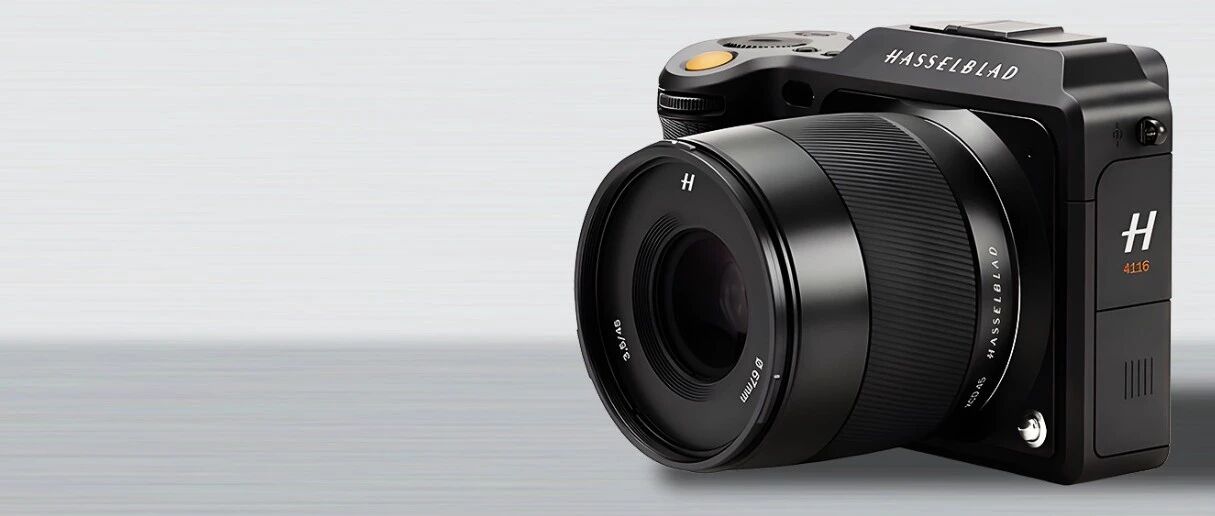
Retro compact professional cameras have surged in popularity in recent years. Featuring mini portable bodies and stylish retro looks, they are heavily marketed by brands with the selling point of professional performance plus ultimate portability. This misleads countless beginners into thinking that a tiny high-end camera can automatically deliver professional-level photos.
However, the harsh truth is clear: most so-called professional functions on compact cameras are nothing but marketing gimmicks. For photographers aiming for professional growth, these mini cameras will only become obstacles on your learning path.
❌ Two Major Flaws of Compact Cameras That Limit Professional Shooting
- Compressed layout causes missed shooting moments Compact bodies feature densely arranged physical buttons and very few custom shortcut keys. You have to enter multiple menu layers repeatedly to adjust aperture, shutter speed, ISO and other core parameters. When facing fleeting shooting moments, you will miss the perfect shot before finishing parameter adjustments.
- Poor expandability incompatible with professional accessories These small bodies hardly work well with professional flashes, stabilizers and large telephoto lenses. If you want to expand your shooting scenarios later, such as studio portrait shooting or outdoor wildlife photography with telephoto lenses, you will face severe compatibility issues and terrible hand grip comfort.
Professional photography prioritizes precise manual control, not portable casual shooting.
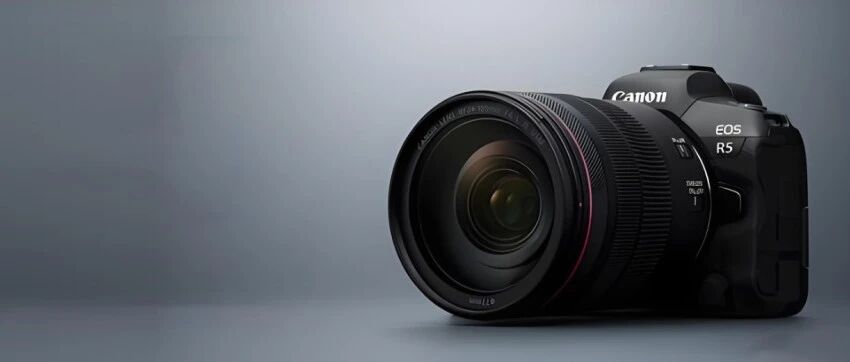
Never compromise operability for appearance. Even with a bulkier and heavier body, a full-frame camera with reasonable button layout, full expandability and stable performance is far more valuable than a good-looking compact camera. Spending time practicing parameter adjustment and light capture is far more meaningful than taking casual check-in shots with a mini camera.
Key Tip: The core value of a professional camera is meeting professional shooting demands, not fitting easily into a small daily bag. Do not be fooled by camera appearance. It is the photographer that takes photos, not the camera itself.
2. Stay Away From All-in-One Superzoom Lenses: Wider Zoom Range Means Worse Image Quality
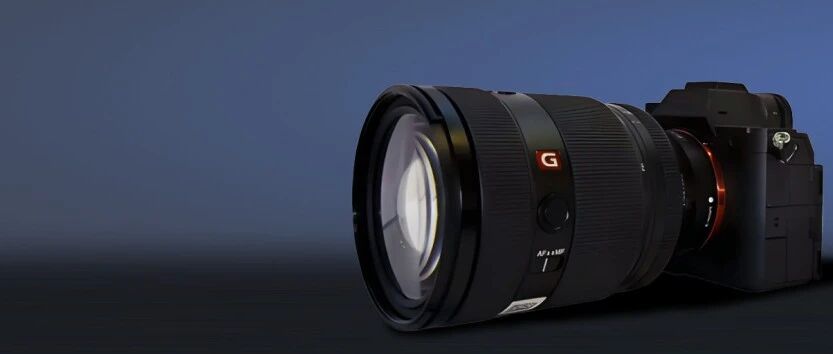
Superzoom lenses (also known as travel lenses covering wide-angle to telephoto focal lengths) are the biggest shopping trap for photography beginners.
Brands promote these lenses as an all-round solution that covers all shooting scenarios without frequent lens changes, saving both time and cost. But for professional photography, these seemingly versatile travel lenses perform poorly in every aspect.
❌ Unavoidable Critical Drawbacks of Superzoom Lenses
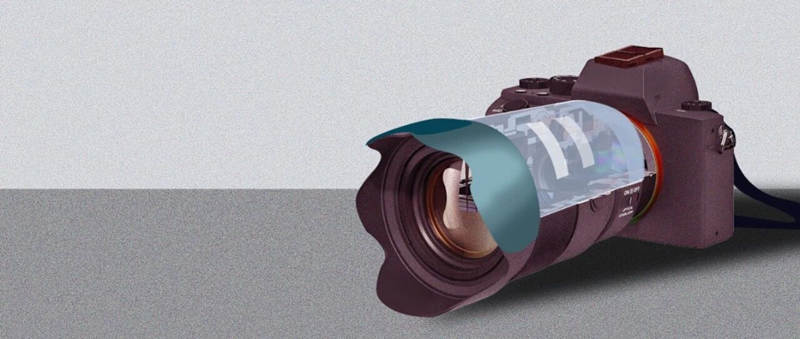
- Compromised optical design leads to degraded overall image quality To achieve an ultra-wide zoom range, manufacturers have to simplify the internal optical structure. This causes soft edge sharpness, severe lens distortion and insufficient overall resolution.
- No constant fast aperture for poor low-light performance Entry-level superzoom lenses usually have a variable aperture of f/3.5-6.3. They produce heavy noise in dim environments such as indoor scenes and night shooting, and fail to create soft background bokeh for immersive photos. Image quality drops sharply at the telephoto end with massive detail loss, which cannot be fixed even in post-processing.
Professional photography always follows one principle:use dedicated lenses for specific shooting scenarios.
- Portrait photography: 50mm / 85mm prime lenses for creamy bokeh and accurate skin tone reproduction;
- Landscape photography: 16-35mm wide-angle lenses for immersive field of view and rich scene details;
- Wildlife & sports photography: 70-200mm professional telephoto lenses for crisp high-resolution telephoto performance.
Key Tip: Giving up superzoom lenses means abandoning lazy shooting habits. There are no shortcuts in photography. All-round lenses produce mediocre works. Mastering one professional dedicated lens thoroughly creates far better photos than a universal low-quality lens.
3. Stop Blindly Buying Backup Cameras: One Primary Body Is Enough to Hone Professional Skills
To put it bluntly: extra backup cameras are pure money waste for most photography enthusiasts.
- Modern professional DSLRs and mirrorless cameras adopt robust build quality. With standard daily use and regular maintenance, they rarely break down suddenly during shooting;
- Beginners usually have single shooting demands. One primary camera fully meets daily practice and entry-level commercial shooting needs, while backup cameras sit idle all year round and depreciate constantly;
- Switching frequently between different camera bodies means adapting to varied button layouts and menu logics. You can never get familiar with one camera completely or form stable operating muscle memory, seriously slowing down your technical progress.
Nearly all top professional photographers stick toone reliable primary camera.
Master every parameter and operating logic of your main camera until you can adjust settings blindly. You can then fully focus on composition, light and visual emotion during shooting, instead of worrying about switching cameras and resetting parameters. This is the right way to improve your photography.
Supplement: When Do You Actually Need Backup Shooting Gear?
- Backup cameras are necessary for high-pressure non-repeatable commercial shoots such as wedding photography and live event coverage requiring dual-camera setups;
- For ordinary shooting demands, a smartphone works perfectly as an emergency backup instead of a spare camera body with much higher cost performance.
Final Thoughts: Professional Photography Is Never Built by Piling Up Gear
To grow into a qualified photographer, break free from gear anxiety and get rid of these three wrong shopping desires:
- Do not chase compact cameras for appearance, never sacrifice operability for better portability;
- Do not rely on all-in-one superzoom lenses, reject lazy universal shooting solutions;
- Do not hoard unnecessary backup cameras, put an end to invalid gear consumption.
Use the money you save to learn lighting knowledge, improve aesthetic taste, appreciate high-quality works and take more outdoor real shots.
Always remember: Photographers control cameras, not the other way around. Break away from gear traps, focus on light and composition, and you will capture touching, high-quality photos with your own vision.