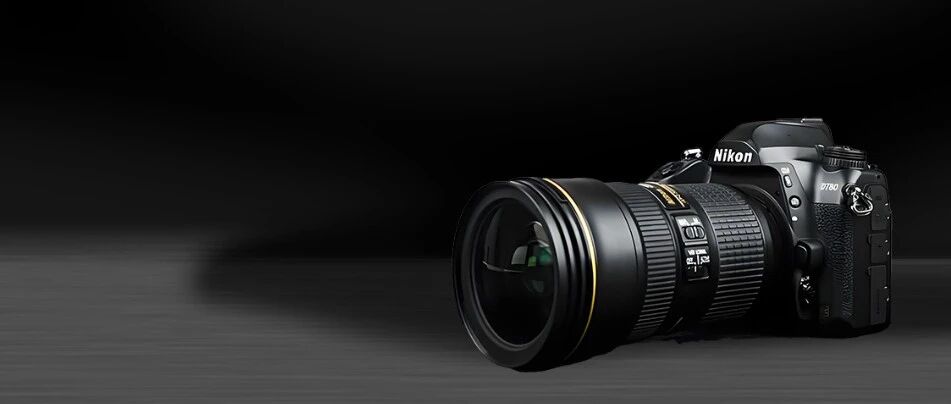
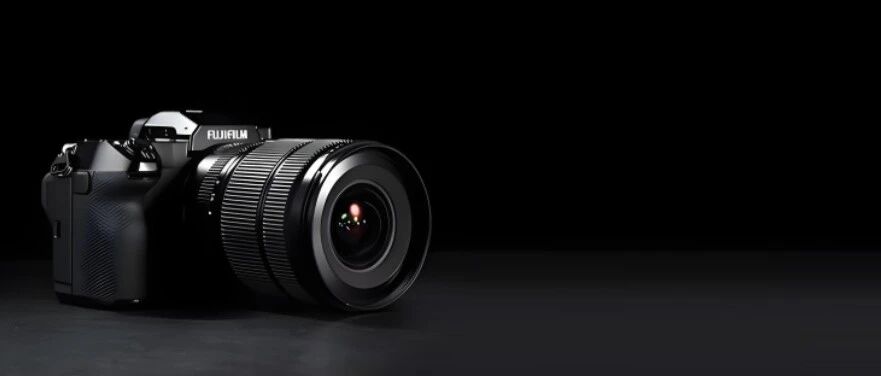
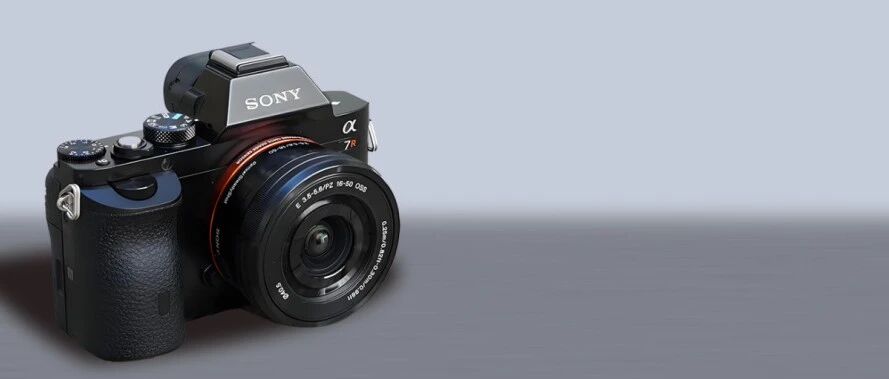
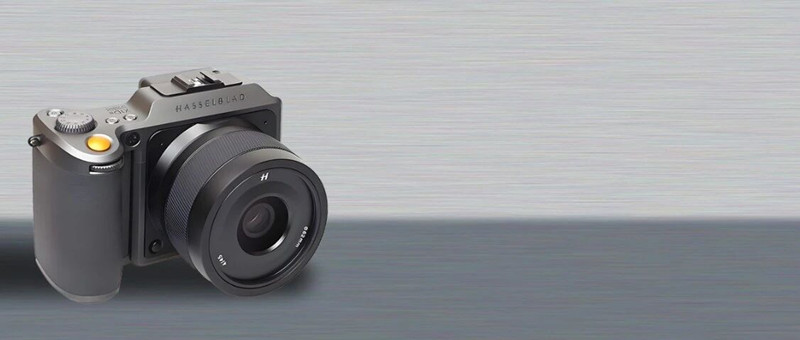
As a working professional photographer, I want to share a straightforward reminder for every photo enthusiast: break free from three pointless gear shopping temptations.
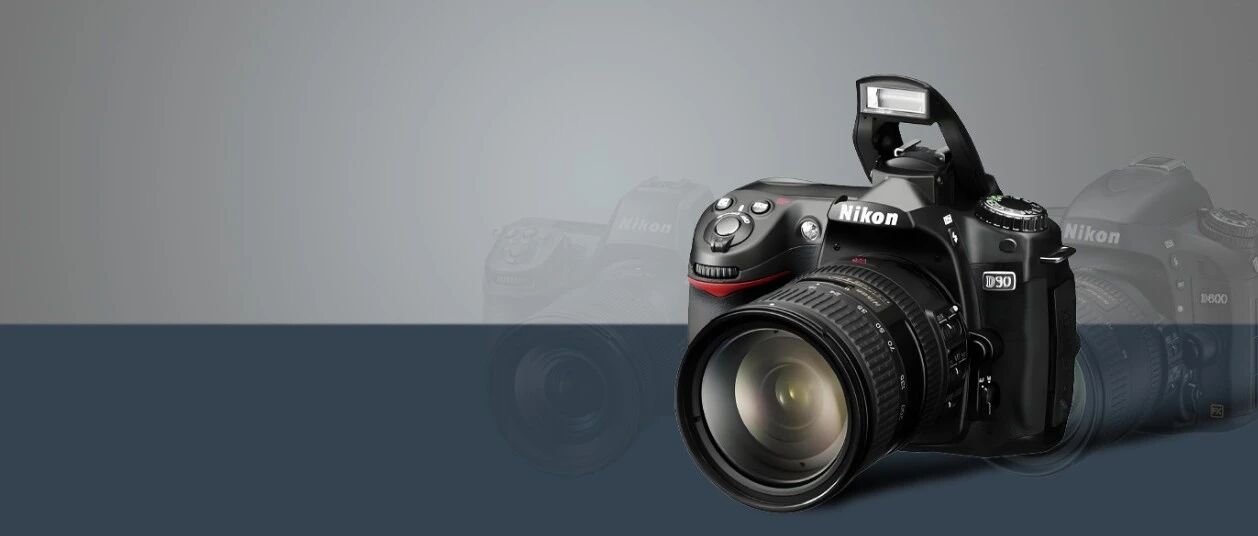
Many photographers fall into three bad habits: craving compact premium cameras, collecting all-in-one superzoom lenses, and stocking multiple backup camera bodies. In the end, they end up with piles of unused gear. These idle devices not only burn a hole in your pocket, but also distract you from improving your real photography skills.
The real gap between professional photographers and hobbyists never lies in how many cameras or lenses you own, or how good your gear looks. It lies in your command of light, composition and visual storytelling.
Instead of suffering from endless gear anxiety and splashing cash on unnecessary equipment, let go of these three wrong shopping obsessions. Put your time, money and energy back into photography itself — this is the only way to grow into a skilled photographer.
1. Stop Chasing Compact Premium Cameras: Small ≠ Professional, Practicality Always Comes First
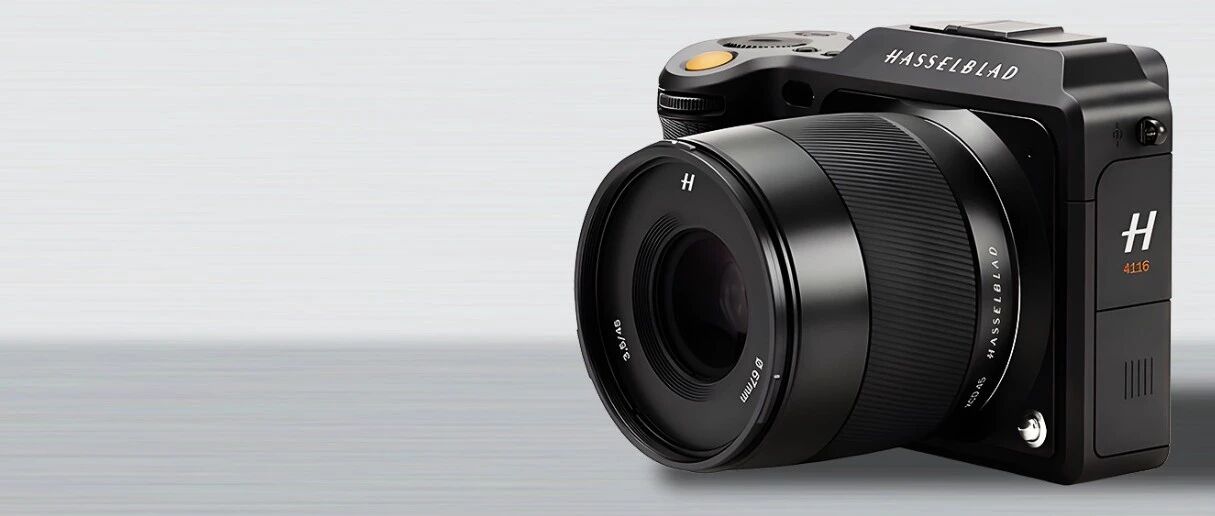
Retro compact premium cameras have blown up over recent years. Boasting pocket-sized bodies and classic stylish looks, they are heavily marketed with the slogan: professional performance paired with ultimate portability. This marketing trick fools countless beginners into believing that a tiny high-end camera can instantly produce professional-grade photos.
But here is the harsh truth: most “professional features” on these mini cameras are nothing but marketing hype. For anyone who wants to improve their photography professionally, these compact bodies will only hold you back.
❌ Two Critical Shortcomings of Compact Cameras for Professional Shooting
- Cramped button layout causes missed decisive moments Compact camera bodies have tightly packed physical buttons and very few custom shortcut keys. You have to navigate layers of menus repeatedly to adjust aperture, shutter speed, ISO and other core settings. By the time you finish tweaking parameters for fast-moving subjects, the perfect shot is already gone.
- Poor expandability limits accessory compatibility These slim bodies work poorly with professional flashes, gimbal stabilizers and large telephoto lenses. If you later want to shoot studio portraits or outdoor wildlife with long focal lengths, you will face serious compatibility problems and uncomfortable hand grip.
Professional photography demands precise manual control, not effortless portability.
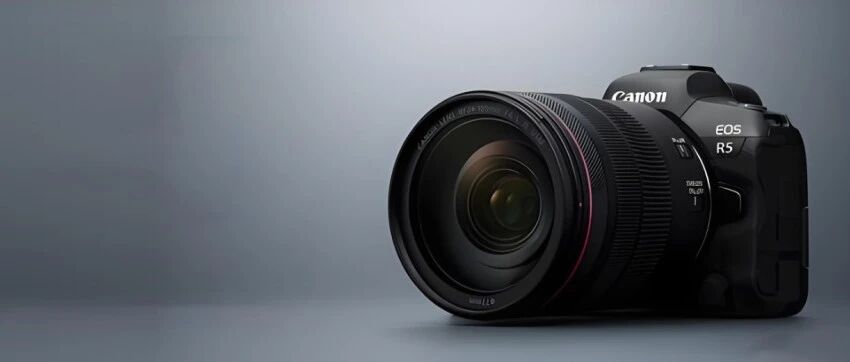
Never sacrifice shooting operability for better looks. Even if a full-frame camera is bulkier and heavier, its well-organized buttons, full accessory compatibility and stable performance beat good-looking compact cameras by a mile. Practicing manual settings and light capture is far more valuable than just taking casual aesthetic shots with a mini camera.
Core Takeaway: A professional camera exists to meet professional shooting needs, not to fit easily into a small everyday bag. Do not get distracted by camera appearance. Great photos are made by photographers, not fancy-looking gear.
2. Ditch All-in-One Superzoom Lenses: The Wider the Zoom Range, the Worse the Image Quality
All-in-one superzoom travel lenses are the biggest gear trap for photography beginners.
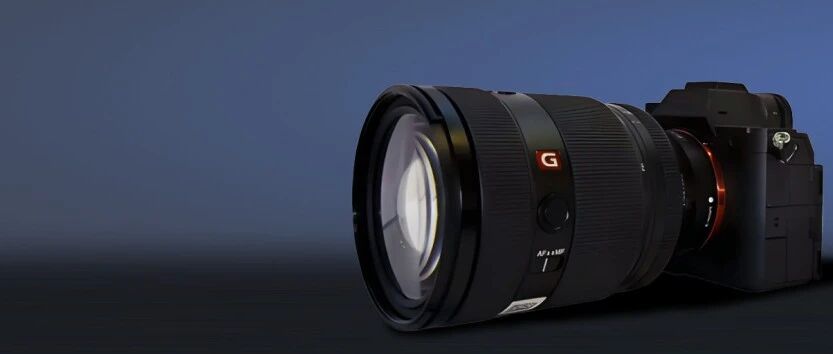
Brands advertise these lenses as a one-stop solution that covers wide-angle to telephoto focal lengths, so you never need to switch lenses. It sounds time-saving and cost-effective. However, for professional shooting, these so-called versatile lenses are mediocre across all scenarios.
❌ Unavoidable Flaws of Superzoom Lenses
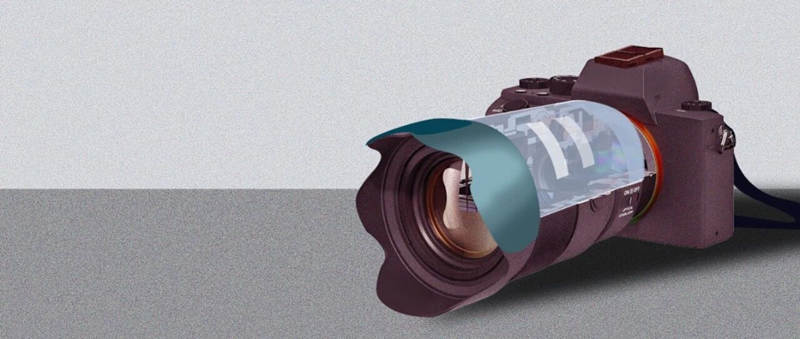
- Compromised optical design ruins overall image quality To achieve an extremely wide zoom range, manufacturers have to simplify internal optical structures. This leads to soft edge details, severe lens distortion and low overall sharpness.
- Slow variable aperture kills low-light performance Most entry-level superzoom lenses only have a variable aperture of f/3.5-6.3. They produce heavy digital noise in dim indoor environments and night scenes, and cannot create soft blurred background bokeh. Image quality drops drastically at the telephoto end with irreversible detail loss, even with post-processing edits.
Professional photography follows a simple golden rule: use dedicated lenses for specific shooting scenes.
- Portraits: 50mm / 85mm prime lenses for creamy bokeh and natural skin tone rendering;
- Landscapes: 16-35mm wide-angle lenses for grand perspective and rich scene details;
- Wildlife & Sports: 70-200mm telephoto lenses for sharp, clear long-range shooting.
Core Takeaway: Giving up superzoom lenses means giving up lazy shooting habits. There are no shortcuts in photography. A universal lens that does everything badly is never better than one professional lens that you master completely.
3. Stop Hoarding Backup Cameras: One Solid Main Body Is Enough to Polish Your Skills
Frankly speaking: extra backup camera bodies are nothing but wasted money for most photo enthusiasts.
- Modern professional DSLRs and mirrorless cameras feature durable build quality. With regular maintenance and proper use, they almost never break down unexpectedly during shoots;
- Beginners usually have simple shooting demands. One main camera fully covers daily practice and entry-level commercial jobs, while backup cameras sit idle all year long and depreciate rapidly;
- Switching between different camera bodies forces you to adapt to different button layouts and menu systems. You can never build mature operating muscle memory, which slows down your photography improvement significantly.
Nearly all veteran professional photographers stick to one reliable main camera body.
When you know your camera inside out and can adjust settings blindly without looking at the screen, you can fully focus on composition, lighting and story-telling during shooting — instead of wasting time switching cameras and resetting parameters.
Extra Note: When Do You Actually Need Backup Shooting Gear?
- Backup cameras are only necessary for high-pressure, one-off commercial shoots such as wedding photography and live event coverage that require dual-camera setups;
- For daily casual shooting, a smartphone works perfectly as an emergency backup, which is far more cost-effective than buying a spare camera body.
Final Conclusion: Professional Photography Cannot Be Built by Stacking Gear
To become a qualified photographer, escape gear anxiety and stay away from these three bad shopping habits:
- Do not pursue compact cameras for appearance; never sacrifice operability for portability;
- Do not rely on lazy all-in-one superzoom lenses;
- Do not blindly collect backup cameras and waste money on idle gear.
Save your budget to learn lighting theories, improve your aesthetic vision, study outstanding photography works and take more real-world shots.
Always remember this core principle: Photographers control cameras, not the other way around. Break free from gear obsession, focus on photography itself, and capture unique, touching photos with your own vision.