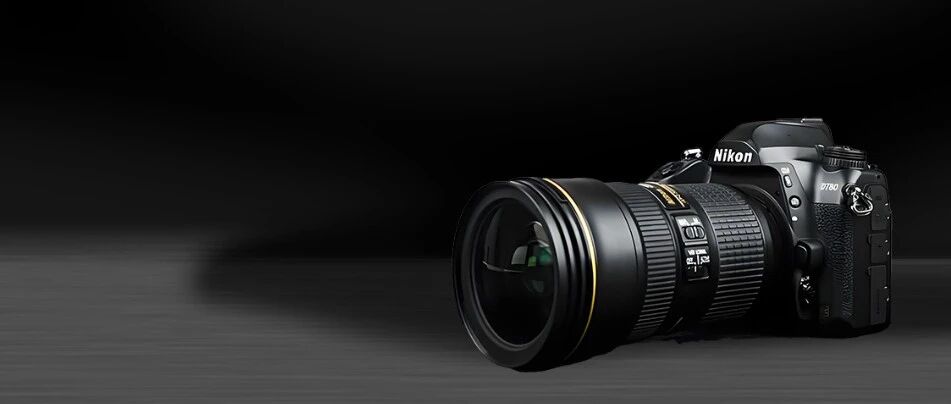
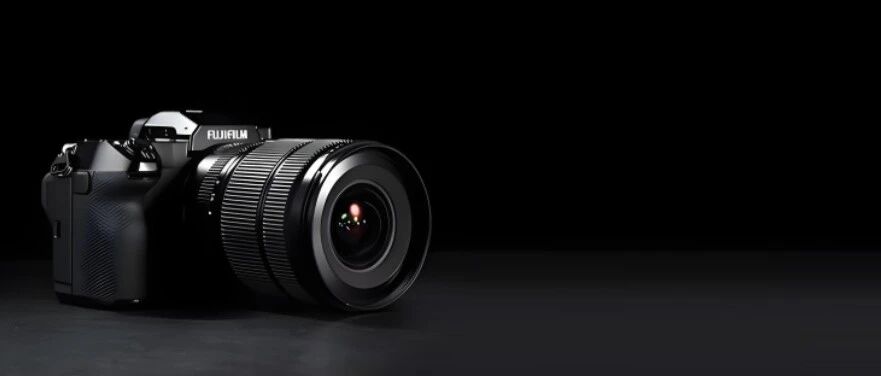
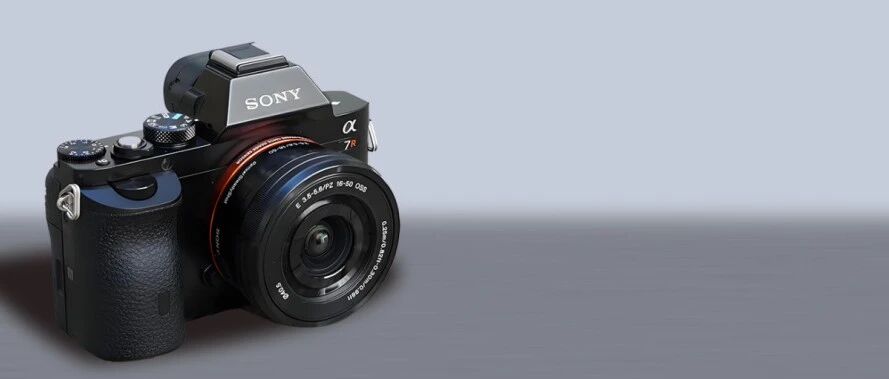
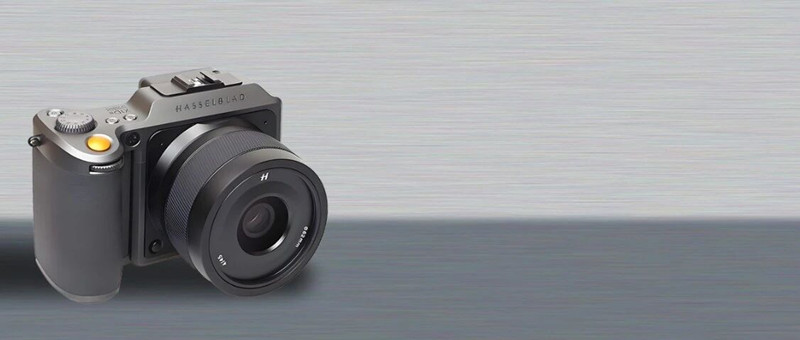
The status of full-frame cameras is shaking! The old saying “a larger sensor crushes everything” is gradually failing
“A larger sensor crushes everything.”、
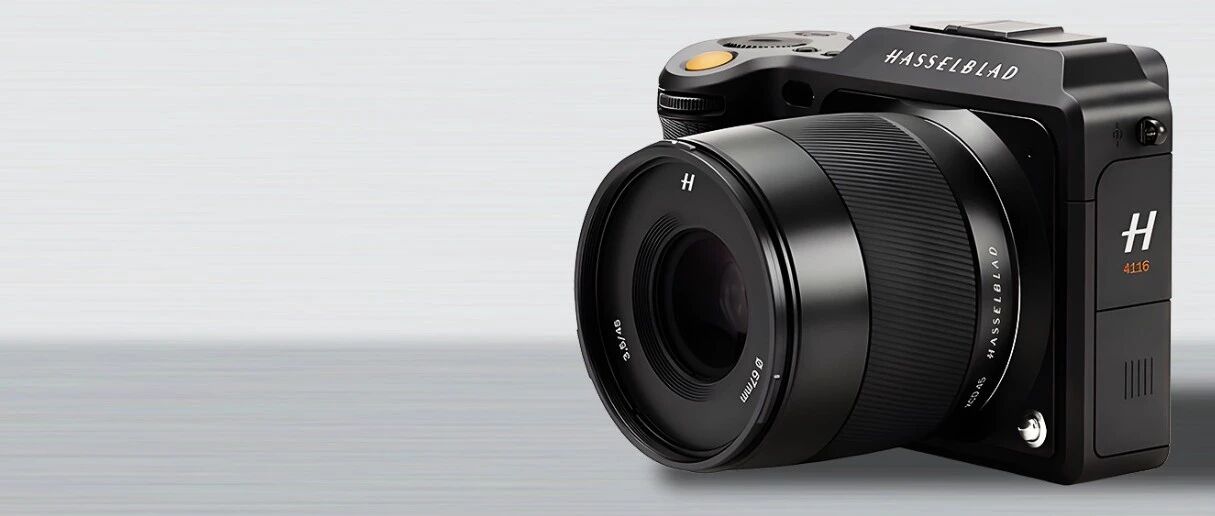
This is a universal consensus among all photographers. From beginners to professional shooters, upgrading to a full-frame camera has always been the ultimate pursuit.
For a long time, full-frame sensors stood for superior image quality, natural background bokeh and clean low-light performance. They were regarded as the threshold of professional photography, as well as the core standard for measuring camera performance.
In short: full-frame cameras dominated the camera industry with absolute authority.
However, a subversive trend has emerged in the camera market and photography community over the past two years: the absolute dominance of full-frame cameras is collapsing rapidly, and the era of blind worship of full-frame gear is fading fast.
Once: Full-frame cameras were an absolute necessity
During the DSLR era and the early stage of mirrorless cameras, full-frame cameras boasted overwhelming and irreplaceable advantages with no room for compromise.
Crop sensor cameras had unavoidable inherent flaws back then: severe noise in night shots, poor dynamic range, stiff artificial bokeh and flat color layering. Shooting the same scene with identical parameters, full-frame cameras delivered transparent and crisp images, while APS-C cameras only produced dull, noisy and unsatisfactory photos.
More importantly, early cameras barely had any computational photography algorithms. Imaging performance relied entirely on sensor hardware, without AI noise reduction, multi-frame compositing or computational light optimization. The hardware gap could never be remedied by software.
As time went by, the stereotype that “full-frame equals professionalism and premium image quality” has been deeply rooted in photographers’ minds for more than a decade.
Technological upgrades bridge the gap between different sensor sizes
Nowadays, camera competition is no longer a simple contest of sensor size.
The core change sweeping the camera industry in recent years is that algorithmic advantages have overtaken hardware advantages — the fundamental reason why full-frame cameras are losing their exclusive advantages.
Five years ago, crop cameras lagged far behind full-frame models in night shooting, dynamic range and bokeh performance. But the latest APS-C cameras launched in 2025 and 2026 have achieved all-round improvements. Equipped with next-generation crop sensors, matched with advanced AI imaging algorithms, intelligent noise reduction, light reconstruction and multi-frame stacking technology, modern crop cameras have fully caught up with the exclusive strengths once only owned by full-frame cameras.
1. The low-light image quality gap is nearly eliminated
High ISO performance used to be the core competitiveness of full-frame cameras, with unbeatable image cleanliness in dim environments. Nowadays, mid-range APS-C cameras adopt accurate AI intelligent noise reduction algorithms, which can distinguish image details from noise precisely. They retain picture textures without over-smoothing, achieving ultra-clean low-light imaging results.
For daily night shooting, indoor dim scenarios and night portrait photography, ordinary people cannot tell the difference between full-frame and crop camera photos with the naked eye.
2. The dynamic range gap has been greatly narrowed
When shooting high-contrast scenes such as backlit portraits, sunrise, sunset and high-brightness landscapes, old crop cameras easily suffered from crushed shadows and blown highlights with permanent detail loss. New-generation crop cameras come with greatly improved native dynamic range, plus built-in HDR and intelligent light balance algorithms. They can cope with most daily and commercial shooting scenarios perfectly, with enough exposure tolerance to meet post-processing needs of over 90% of creators.
3. Natural bokeh is no longer exclusive to full-frame cameras
Most photographers chase full-frame cameras mainly for softer and more natural background blur. Currently, two major changes have reversed this situation:
- High-end lenses for crop cameras adopt wider maximum apertures, greatly improving hardware-based background blur performance;
- Built-in AI bokeh algorithms are increasingly mature, which can accurately identify subjects and scene layers, simulating natural full-frame-level blur without obvious cutout traces.
4. The pixel gap between full-frame and crop cameras has disappeared
Some commercial photographers may question this viewpoint. They used to believe only full-frame cameras support large-size photo printing, but this idea is outdated.
The pixel count of modern APS-C cameras keeps rising. For commercial shooting scenarios, full-frame cameras no longer monopolize large-format printing. The pixel gap between full-frame and crop sensors has basically vanished.
The drawbacks of full-frame cameras are magnified amid technological iteration
❌ Bulky body and poor portability
Full-frame camera bodies are bulky and heavy. Equipped with professional f/2.8 zoom trinity lenses, a complete camera kit usually weighs 2 to 3 kilograms. The heavy load brings terrible experience for travel photography, street photography and handheld video shooting, and also weakens battery endurance and handheld comfort.
Many users buy full-frame cameras out of blind obsession, but leave them idle at home due to poor portability, turning expensive gear into a one-time impulsive purchase.
❌ High premium cost with insignificant improvement
A complete entry-level full-frame camera and lens set costs at least 10,000 RMB, while flagship full-frame kits cost 20,000 to 30,000 RMB. Subsequent lens upgrades and accessory replacements also require continuous high investment.
However, most ordinary users cannot perceive obvious image quality improvement, even paying double the budget for negligible upgrades.
✅ Outstanding advantages of APS-C crop cameras
- Telephoto crop bonus: The 1.5x crop factor brings extra telephoto focal length, performing better than full-frame cameras with the same physical focal length for bird and wildlife photography;
- Better ultra-wide shooting experience: With the popularity of slim dedicated wide-angle lenses for crop cameras, shooting ultra-wide scenes becomes much easier;
- Comprehensive user experience: Lighter body, better handheld grip, longer battery life, lower overall cost and richer dedicated lens lineup.
For daily shooting, short video creation, travel recording and social media content production, APS-C cameras deliver better overall experience with lower cost.
Market Data Proof: Shipments of high-end flagship full-frame cameras keep declining year by year, while mid-range APS-C portable high-performance cameras gain growing market share and become mainstream choices. The strong comeback of crop sensor cameras is an irreversible industry trend.
Final View: Sensor size is never the threshold — suitability matters most
It needs to be clarified first: this article does not deny full-frame cameras, but breaks the blind prejudice of full-frame supremacy.
Undeniably, full-frame cameras still have irreplaceable hardware advantages in top professional scenarios: extreme commercial shooting, oversized photo printing, professional landscape photography and cinematic video production. They remain the first choice for professional commercial photographers.
But for 95% of photography enthusiasts, content creators and daily shooters, full-frame cameras are no longer necessary.
The logic of choosing cameras has been completely reversed:
- In the past: Prioritize sensor size — the bigger the better;
- Now: Prioritize actual shooting needs — the most suitable gear is the best.
Photography creation is no longer kidnapped by hardware parameters, nor restricted by sensor size thresholds.
One more key point worth mentioning: Full-frame sensors still cannot catch up with medium-format sensors in hardware performance. Meanwhile, the image quality gap between full-frame and APS-C cameras keeps shrinking, while their price gap remains huge. The premium paid for full-frame cameras is becoming less and less cost-effective.