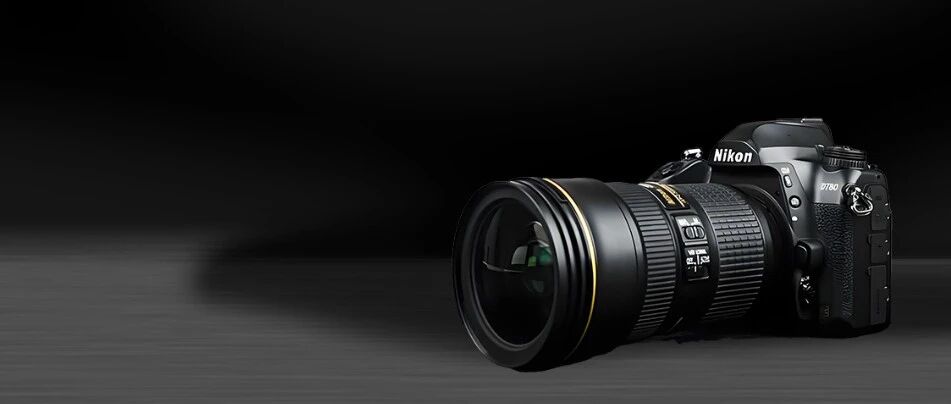
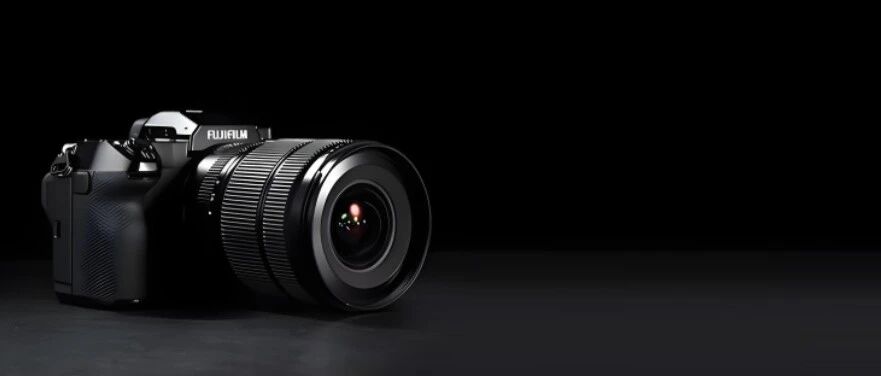
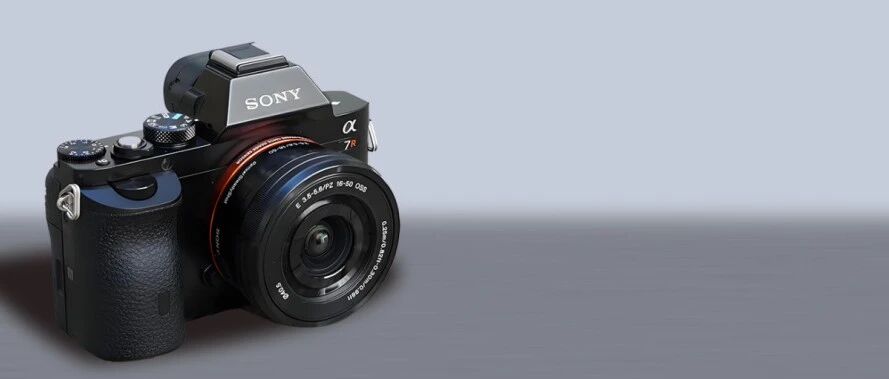
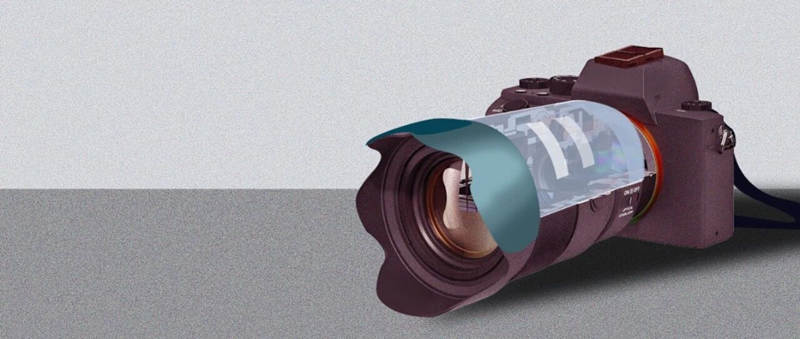
For professional photography, one hard truth stands clear: no single camera kit can fully satisfy all high-end creative demands.
Do not fall for manufacturers’ marketing hype about “all-round cameras” at new product launches. The so-called one-size-fits-all equipment is merely an idealized marketing pitch tailored to amateur expectations, far from meeting professional production standards.
From film cameras with manual focus and precise light metering to today’s digital cameras, mirrorless cameras and digital cinema cameras with intelligent upgrades, I have seen countless photography enthusiasts trapped in the same misconception. They believe that as long as a camera boasts top-tier parameters and any camera body can pair with any lens, professional-grade shots will naturally follow. The reality is the exact opposite. True professional photography is never a simple stack of high-end gear; its core lies in precise matching through specialized camera bodies for specific genres and specialized lenses for specific scenes.
The fundamental line dividing casual amateur shooting and professional commercial creation lies in in-depth refinement and the pursuit of ultimate image quality for a single subject matter—and this goal can only be achieved by using dedicated camera bodies and lenses:
- Specialized camera bodies: Select hardware tailored to shooting themes and on-site conditions;
- Specialized lenses: Match optics based on compositional needs, shooting distances and lighting characteristics.
Only when body and lens are perfectly aligned can gear deliver its full performance potential, avoid inherent image flaws, and produce exquisitely detailed, superior visual texture.
Many new photographers prefer the “one camera for everything” approach, using a single body paired with a superzoom lens for all shooting scenarios. While seemingly convenient, this method forces constant compromises and compromises image quality at every turn. Randomly mixing camera bodies and lenses in professional work wastes the full capability of your equipment, and in severe cases, leads to irreversible shooting failures.
I. Specialized Camera Bodies: Distinct Hardware for Distinct Genres
1. High-Speed Sports Photography
Sports events best illustrate the necessity of dedicated camera bodies. Short track speed skating, ball games, track and field races feature rapidly shifting frames. Athletes move at high speeds along unpredictable trajectories, imposing strict requirements on continuous shooting speed, autofocus accuracy and shutter response lag.
Professional sports photography teams are equipped with flagship high-speed camera bodies such as the Sony α9 III and Canon R3, built exclusively for motion capture. These cameras offer dozens of frames per second, full-area intelligent subject tracking, blackout-free continuous shooting and other core capabilities, firmly locking onto fast-moving subjects to eliminate out-of-focus shots, frame stuttering and missed action sequences.
By contrast, standard full-frame bodies designed for portraiture and landscapes, even paired with premium lenses, struggle to capture sports action well. I once watched a young photographer cover an ice sports competition using a portrait-oriented camera body. Most of their final shots suffered from delayed focusing, motion blur and failed capture of peak action moments—all critical frames of athletes sprinting and leaping were lost entirely.
The autofocus algorithms of general camera bodies are optimized for static or slow-moving subjects. When faced with high-speed dynamic scenes, their focus prediction and shutter response cannot keep pace. This is the most obvious downside of mismatched camera bodies. Professional teams deploy dedicated cameras solely for sports shooting, pre-calibrating all parameters for high-speed capture and maintaining hardware states optimized for dynamic framing, so every competitive split second can be frozen with precision.
2. Commercial Still Life Photography
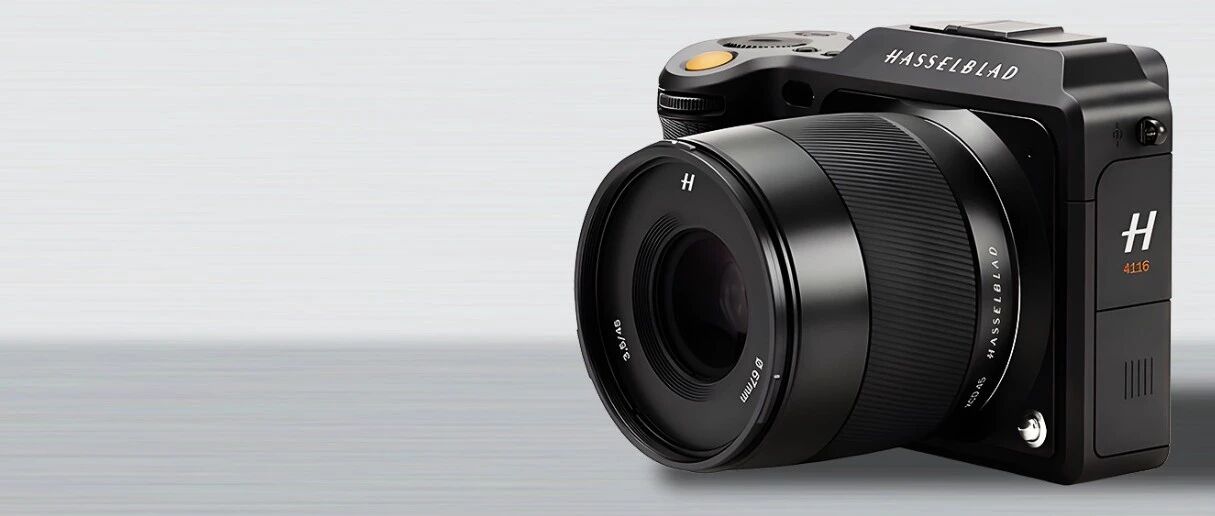
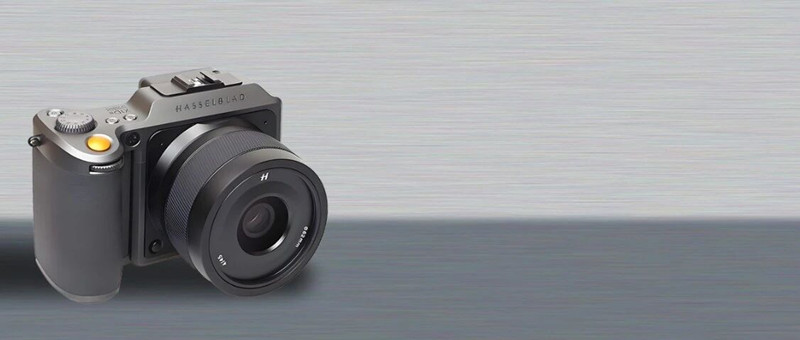
Product close-ups and commercial still life work require medium-format camera bodies featuring high resolution, exceptional sharpness and accurate color reproduction. These bodies are purpose-built to capture product textures and light gradations, restoring the authentic texture of physical goods. Standard full-frame cameras lack sufficient pixel density and color depth, making their output unfit for commercial printing and promotional brochures.
3. Grand Galas & Commercial Live Streaming
Stage events and long-duration live broadcasts rely on professional digital cinema cameras such as the Canon EOS C400 series. Their proprietary color encoding, ultra-wide dynamic range and stable long-duration recording capabilities outperform standard photo cameras by a wide margin. They consistently deliver smooth, high-definition live footage with uniform color rendition, complying with professional broadcast standards for large-scale events.
II. Specialized Lenses: The Soul of Your Image — No Universal Lens, Only Scene-Specific Optics
If dedicated camera bodies form the foundational guarantee of professional shooting, dedicated lenses are the core driver of superior image texture and unique artistic style. Lenses act as the eyes of the camera. Different focal lengths, apertures and lens designs correspond to fixed use cases; there is no single lens capable of mastering all genres.
Common image defects including perspective distortion, messy bokeh, insufficient resolving power, blurry distant details and near-subject warping rarely stem from flawed shooting technique—they are hard optical defects caused by misusing inappropriate lenses.
1. Architectural Photography: Tilt-Shift Lenses Correct Perspective for Clean, Structured Lines
Many new photographers shoot skyscrapers, ancient architecture and commercial venues with standard wide-angle zoom lenses, which inevitably produce severe perspective distortion: vertical building lines tilt, structures taper toward the top, and overall forms warp. Even post-correction of distortion crops pixels and ruins the symmetrical, grand aesthetic of architecture.
Professional architectural photography abandons ordinary wide-angle lenses entirely, opting for dedicated tilt-shift optics such as the Laowa 15mm F4.5 Tilt-Shift and Canon TS-E series tilt-shift lenses. Equipped with shift and tilt mechanisms, these lenses correct perspective distortion without repositioning the camera, preserving perfectly vertical and horizontal architectural lines and maximizing the grand proportionality of structures.
I once led a city landmark photography project using dedicated tilt-shift lenses throughout the shoot. Raw footage featured neat compositions and natural perspective without post-processing adjustments, directly meeting professional standards for city promotional brochures and outdoor large-format screens—an effect no standard wide-angle lens can replicate.
2. Wildlife & Nature Photography: Telephoto Primes Capture Distant Creatures Sharply
Photographing birds and wild animals demands long-distance shooting, crisp subjects, clean background bokeh and minimal disturbance to wildlife. Many hobbyists rely on standard 70–200mm mid-telephoto lenses, whose focal range falls far short when shooting high-flying birds or distant wildlife. Heavy cropping in post results in blurry images and lost fine details. Even when subjects are framed close enough, slow autofocus and weak image stabilization lead to out-of-focus shots and camera shake.
Professional nature photography strictly adheres to the rule of dedicated lenses, utilizing specialized telephoto prime lenses of 300mm, 400mm and 600mm. Last year, I shot brown bear wildlife footage exclusively with the Sony FE 300mm F2.8 telephoto prime, engineered specifically for field work. It delivers lightning-fast autofocus, powerful image stabilization and industry-leading telephoto resolving power. From a safe distance, it captures intricate dynamic details of mother and cub bears with crisp fur texture and vivid facial expressions, while its large aperture blurs cluttered wilderness backgrounds to isolate the subject.
Standard telephoto zoom lenses cannot compete in autofocus precision, bokeh quality and low-light performance—this is the core advantage of matching specialized lenses to your subject.
3. Portrait Photography: Focal Length-Specific Primes Create Soft, Premium Portraiture
Portraiture suffers most frequently from lens mismatch. Wide-angle lenses stretch human subjects, distorting limb proportions and facial contours. Superzoom lenses produce disjointed bokeh and harsh light transitions, lacking the soft atmospheric quality essential to portrait work.
Professional portraiture follows clear lens matching guidelines:
- Indoor close-ups and bust portraits: 50mm and 85mm primes. Their natural human-eye perspective eliminates distortion and delivers gentle bokeh, faithfully capturing facial features and skin texture;
- Environmental, atmospheric portraiture: 35mm primes, balancing human subjects and surrounding scenery for layered, subject-forward framing.
The difference in results is striking when specializing lenses for commercial portraits and professional headshots:
- 85mm large-aperture primes excel at close-ups and bust shots, blurring backgrounds dramatically to highlight facial features and personal temperament;
- 35mm primes handle environmental portraiture, harmonizing subjects with their surroundings;
- 135mm telephoto primes serve outdoor portraiture, compressing spatial depth to filter out distracting background clutter and craft sophisticated atmosphere.
Each lens fulfills its designated role, yielding consistent, high-end image texture—an achievement unattainable with a single all-purpose zoom lens.
4. Astrophotography: Fast Wide-Angle Primes Capture Pure, Majestic Starry Skies
Shooting star fields and the Milky Way imposes extreme demands on lens light intake, wide field of view and low-light image purity. Professional astrophotographers use 24mm F1.4 fast wide-angle prime lenses. The ultra-large aperture boosts light intake, lowers ISO values and minimizes digital noise, while the wide focal length frames the full expanse of the night sky to render the Milky Way’s depth and grandeur.
Standard wide-angle zoom lenses feature smaller maximum apertures and weak edge sharpness, producing noisy star shots with bloated, blurry stellar points that fail to meet professional creative benchmarks.
Conclusion
Professional photography should uphold the principle: One camera body for one genre, one lens for one scene. Every camera body and lens has its designated shooting purpose and must not be arbitrarily repurposed.
Many photographers dismiss dedicated camera and lens setups as unnecessary gear competition, yet they are a direct reflection of professional craftsmanship.
Amateur shooting prioritizes convenience and versatility, but the core pursuit of professional photography is perfection, precision and consistency. Every flawless final image stems from the precise alignment between equipment and shooting context.
Occasional cross-genre gear flexibility is acceptable, yet only by committing to specialized camera bodies and specialized lenses can photographers create polished, high-quality works that stand up to rigorous scrutiny.