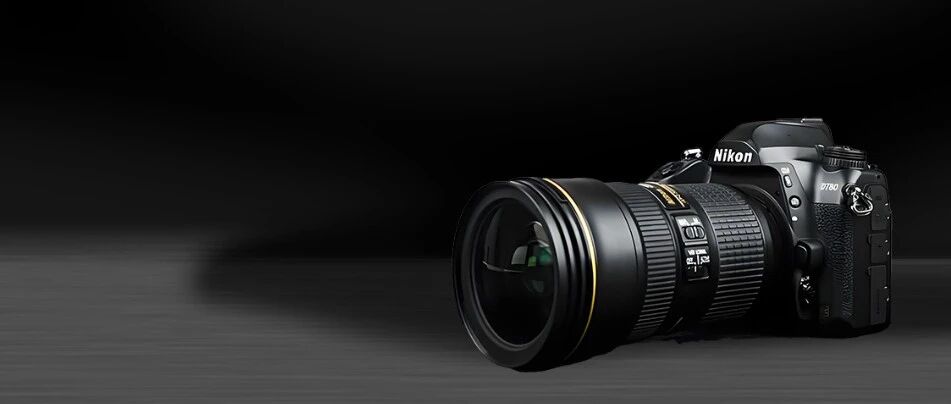
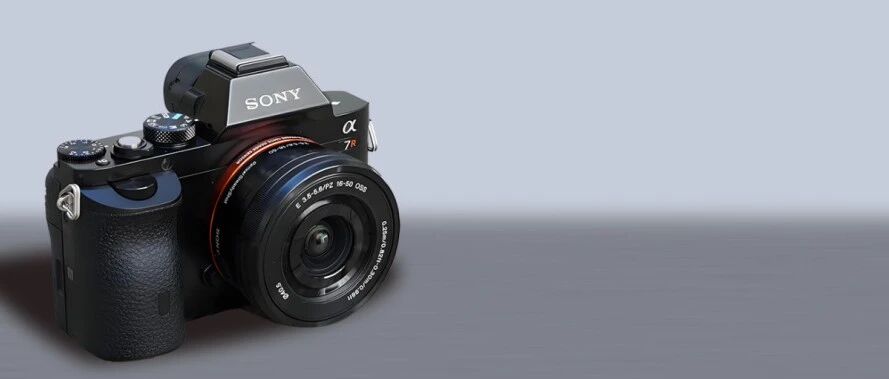
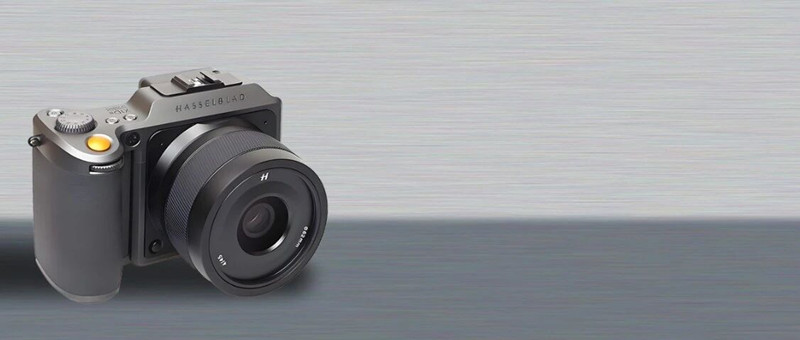
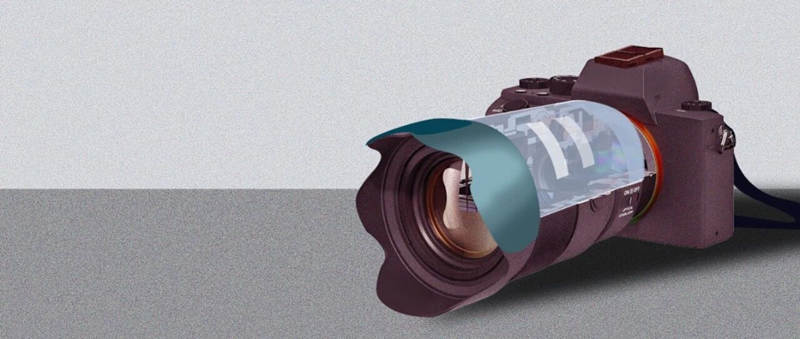
Most photographers hold a deep-rooted stereotype about medium format cameras: bulky bodies, sluggish autofocus, poor continuous shooting performance, limited to slow-paced shooting scenarios such as landscape photography and commercial still life, with obvious weaknesses in dynamic shooting.
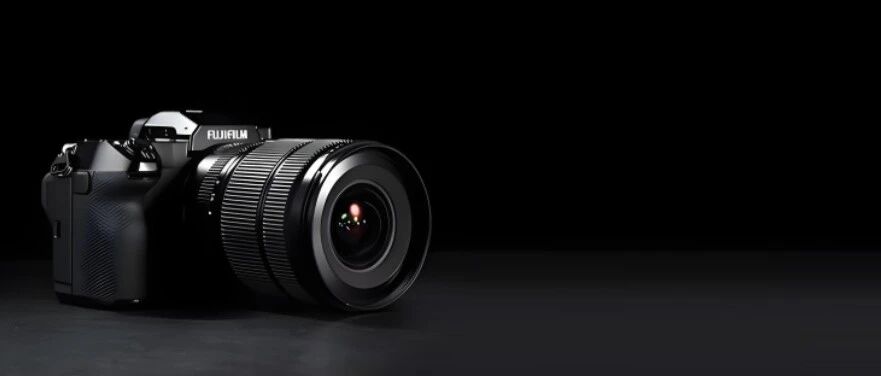
But here is the truth: Do you think medium format cameras are slow and clumsy? You are completely wrong.
Thanks to the upgraded new-generation medium format cameras including Fujifilm GFX100 II and GFX100S II, all traditional drawbacks of medium format systems have been well fixed. Even for bird photography which requires extremely fast camera response, medium format cameras are fully competent. However, they adopt a totally different shooting logic compared with flagship full-frame sports cameras. Once you master their shooting skills, you will find medium format cameras far more powerful than you expect.
Break the Stereotype: Modern Medium Format Cameras Have Abandoned Bulkiness and Sluggishness
1. Surprising Lightweight Design for All-Day Outdoor Hiking
Most people assume that a medium format camera paired with a super telephoto lens must be extremely heavy and exhausting for long-time handheld shooting. Yet modern medium format telephoto lenses have completely overturned this misunderstanding.
Take Fujifilm GF500mm F5.6 prime telephoto lens as an example. The lens itself weighs only 1.375kg, and the total weight of the complete camera and lens set is less than 2.5kg. By comparison, mainstream full-frame 400mm or 600mm F4 telephoto lenses weigh over 3kg individually, and a full professional setup often exceeds 4kg to 5kg.
For wildlife photographers who need long-distance hiking and field scouting for birds, lightweight design is a core advantage. You can shoot handheld all day without relying on heavy tripods, bringing excellent field mobility for outdoor shooting.
2. AI-Powered Autofocus Matching Mainstream Full-frame Cameras
Poor autofocus used to be the biggest flaw of traditional medium format cameras, making dynamic shooting almost a gamble. The latest Fujifilm GFX lineup is equipped withAI deep learning autofocus system optimized specially for bird photography. It can automatically detect bird subjects, lock onto bird eyes accurately and maintain continuous focus tracking.
Whether it is raptors circling in the sky with constantly changing flight paths, or small woodland birds jumping among branches and blocked by leaves, the camera can lock focus steadily without losing tracking. In daily wildlife shooting scenarios, its autofocus performance is nearly comparable to mainstream full-frame sports cameras, eliminating the historic autofocus weakness thoroughly.
3. Sufficient Continuous Shooting Speed + High-end In-body Image Stabilization for Higher Keep Rate
New-generation Fujifilm medium format cameras deliver a native continuous shooting speed of 7 to 8 frames per second. Although this cannot match the 20-30 fps ultra-fast burst speed of flagship full-frame sports cameras, it is more than enough for real bird photography demands. 7-8 fps is adequate to capture classic moments including birds spreading wings, gliding and perching, with no missing of key frames.
Supported by up to 8-stop in-body image stabilization (IBIS), the camera performs perfectly in dim woods and cloudy low-light conditions. You can shoot handheld with slow shutter speeds without raising ISO values or using tripods, effectively avoiding blurry photos and greatly improving the shooting keep rate in low-light environments.
Core Advantages of Medium Format for Bird Photography: Dimensionality Reduction Strike Against Full-frame Cameras
① 100MP+ Ultra-high Resolution Brings Free Secondary Composition
This is the biggest killer feature of medium format systems. Built-in 100-megapixel ultra-high resolution provides enormous cropping space, equivalent to a lossless built-in digital super telephoto lens.
Long shooting distance and insufficient focal length are common troubles in bird photography. Heavy cropping will cause severe quality loss on full-frame cameras, while medium format cameras suffer almost no such problem. You can crop and enlarge original bird photos freely in post-processing, still retaining over 40 to 50 million effective pixels with crystal-clear feather textures and sharp catchlights in bird eyes. There is no need to purchase extra longer telephoto lenses to get professional close-up bird shots.
② Larger Sensor Delivers Superior Image Quality and Dynamic Range
The larger sensor of medium format cameras brings irreplaceable native image quality. It captures ultra-fine feather details of birds, and produces photos with far better clarity and three-dimensional sense than full-frame counterparts.
Benefiting from outstanding dynamic range, medium format cameras excel in high-contrast scenes such as sunrise and sunset. When shooting backlit flying birds, the camera can retain rich gradient colors of bright sky highlights while restoring delicate feather details in dark bird shadows. This top-level light and shadow performance is hard for most full-frame cameras to achieve.
Objective Drawbacks: Medium Format Cameras Are Not All-round, With Clear Application Limits
Objectively speaking, medium format cameras cannot completely replace flagship full-frame sports cameras. Each system has its own pros and cons, so you need to clarify your shooting demands before purchasing:
- Limitations on ultra-fast close-range flight photography: When shooting birds at a close distance of 8 to 15 meters in fixed bird ponds, capturing extreme high-speed moments such as kingfishers diving for prey and swallows making sharp turns, medium format cameras fall behind top full-frame sports cameras in instantaneous autofocus response and burst buffer capacity, with lower fault tolerance for extreme dynamic shooting.
- Equivalent focal length reduction: A 500mm medium format lens is equivalent to only 395mm to 400mm in full-frame focal length. Although high-resolution cropping can compensate for viewing angle loss, it still has disadvantages in native physical focal length compared with full-frame lenses of the same specification.
Head-to-head Comparison: Medium Format VS Flagship Full-frame Sports Cameras
| Comparison Dimension | Fujifilm GFX Medium Format System | Flagship Full-frame Sports Camera (e.g. Nikon Z9) |
|---|---|---|
| Image Quality & Effective Pixels | 100MP+ native resolution, extreme fine details, massive cropping space, lossless secondary composition | 24MP to 45MP native resolution, qualified basic image quality, obvious quality degradation after heavy cropping |
| Continuous Shooting Performance | 7-8 fps, fully sufficient for static birds and slow-flying bird shooting | 20-30+ fps, perfect for ultra-fast dynamic shooting, easier to capture fleeting high-speed moments |
| Weight & Portability | Total system weight under 2.5kg, lightweight setup, ideal for long-time handheld hiking shooting | Heavy setup over 3kg with flagship body and professional telephoto lens, huge burden for outdoor hiking |
| Best Shooting Scenarios | Long-distance wild birds, woodland bird close-ups, photographers pursuing ultimate image quality, landscape & wildlife dual shooting | Ultra-fast flying birds at close range, sports events, pixel-peeping photographers prioritizing shooting speed |
Final Conclusion
Today’s medium format cameras are no longer slow, bulky devices only suitable for static photography.
If you love outdoor hiking, pursue pristine ultra-high image quality, mainly shoot distant wild birds and woodland wildlife, and do not prioritize extreme high-speed shooting performance, the new-generation medium format cameras are absolutely worthwhile picks. The unique image texture and sense of detail they deliver can never be replicated by full-frame cameras.
However, if you mainly shoot ultra-fast flying birds in fixed bird ponds and prioritize top burst speed and zero-lag autofocus above everything else, flagship full-frame sports cameras still remain the irreplaceable top choice.
Getting rid of the old bulky label and making up for autofocus and burst shortcomings, modern medium format cameras are equipped with god-tier image quality advantages.