Mirrorless cameras have dominated the camera market with soaring performance in recent years. Looking back to early 2020 when I got my Nikon D780, this DSLR turns out to carry far more significance than people expect.
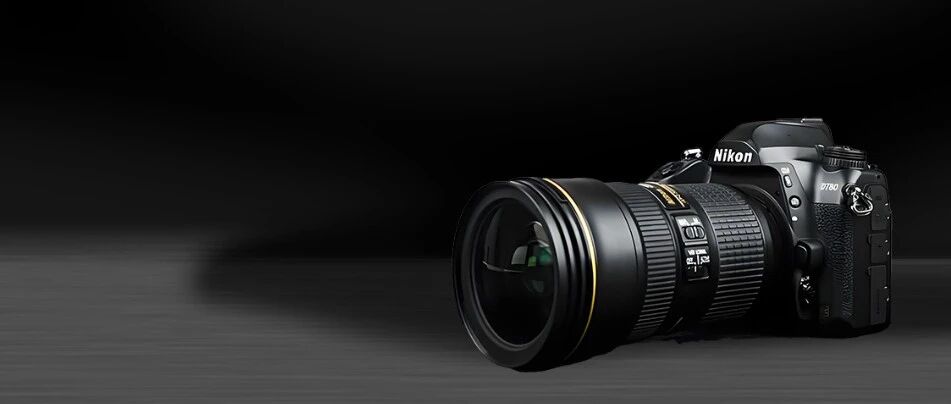
Do not label the Nikon D780 as an outdated old-school DSLR.
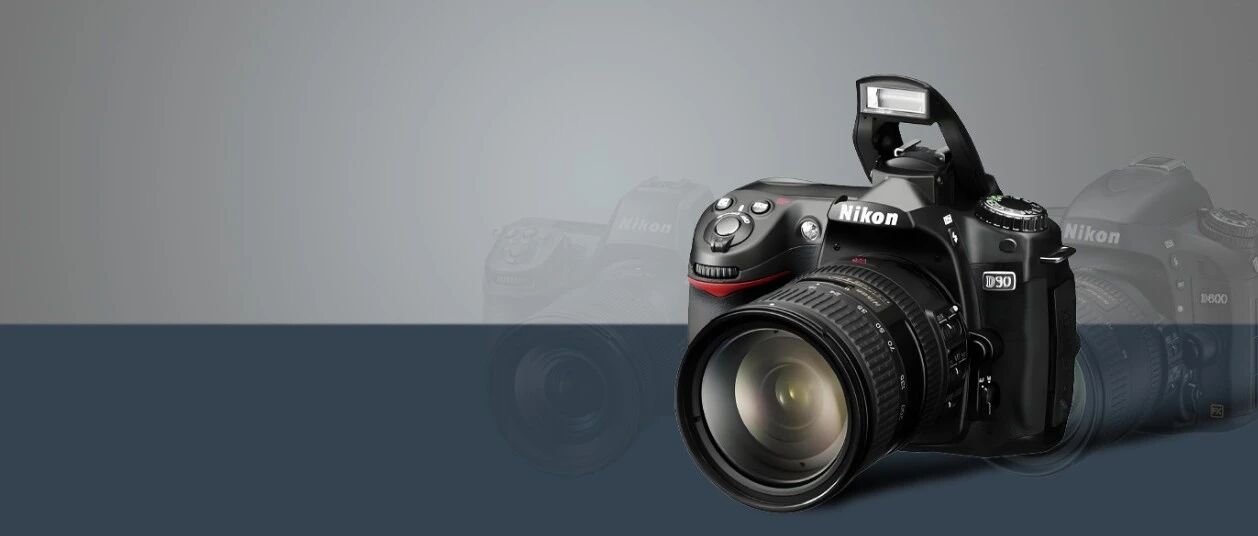
As the direct successor to the classic Nikon D750, it is not merely a routine upgrade of traditional DSLRs. Instead, it stands as a bold hybrid crossover model born in the industry transition era. Amid the fierce market squeeze from Sony A7 series and Canon EOS R mirrorless cameras, the D780 serves as the final perfect puzzle piece for loyal Nikon F-mount DSLR users.
This is the last-generation DSLR refined for veteran photography lovers, and its overall performance is truly addictive.
Born in an Era of Industry Transition: A Hybrid DSLR for the Late DSLR Era
The launch of Nikon D780 fell right at the turning point where DSLRs were gradually phased out and mirrorless cameras took over the mainstream. The camera market was split into three distinct competitive camps back then:
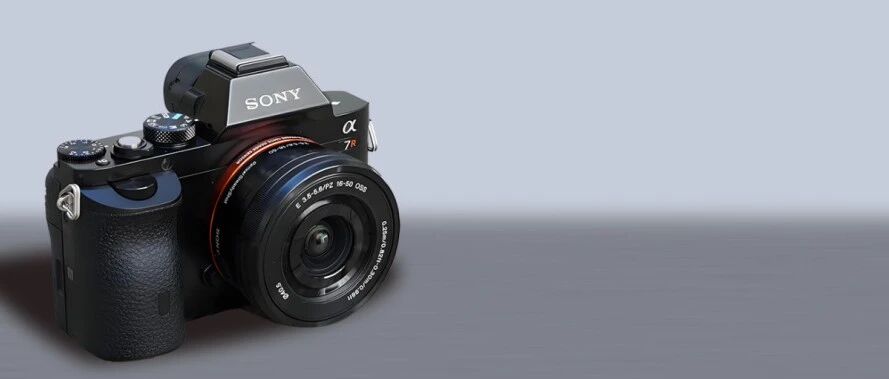
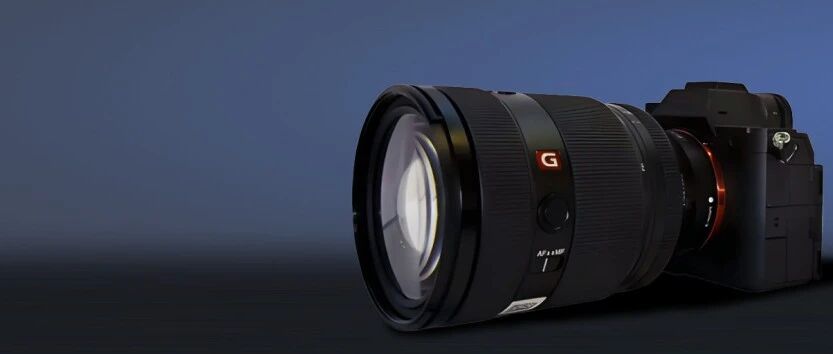
- Sony: Led by the A7 III with 24.3MP sensor, Sony secured absolute dominance in the full-frame mirrorless market, boasting industry-leading eye-tracking autofocus, built-in image stabilization and ultra-portable body design.
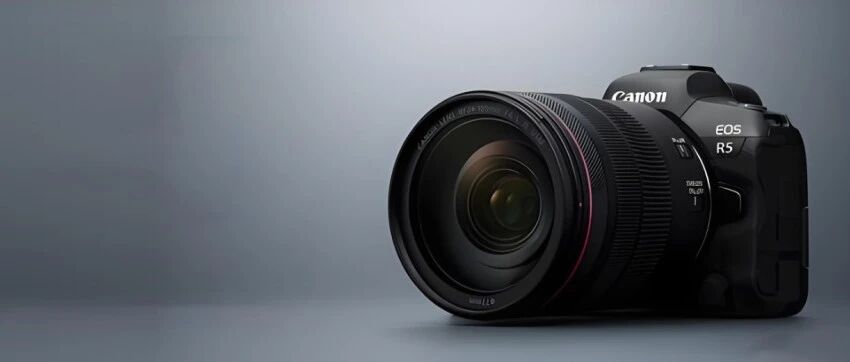
- Canon: The brand was in full swing of transforming from DSLRs to mirrorless cameras. The timeless EOS 5D Mark IV remained the workhorse for most professional photographers, while the new EOS R mirrorless lineup started to gain market traction.
- Nikon: The native Z-mount mirrorless system (Z6/Z7) had just debuted, yet Nikon still owned a massive established F-mount lens ecosystem, plus a large group of users who were deeply attached to the pure optical viewfinder shooting experience. These users were in urgent need of a high-performance DSLR to inherit their existing equipment and shooting habits.
Against this backdrop, Nikon did not blindly boost pixel count for the D780 to chase flashy specifications. Instead, the brand transplanted core technologies from its flagship Z-series mirrorless cameras into a DSLR body, crafting a pragmatic dual-mode camera that combines classic DSLR reliability with modern mirrorless usability.
1-Minute Quick Specs Overview
- Sensor: 24.5MP FX-format backside-illuminated CMOS sensor
- Image Processor: EXPEED 6 image processing engine
- Autofocus System: 51-point AF with optical viewfinder (OVF); 273-point hybrid AF with live view, supporting eye detection autofocus
- Continuous Shooting: 7fps with OVF; 12fps silent continuous shooting in live view mode
- Video Performance: Uncropped 4K UHD 30p video recording, 10-bit HDMI external recording supported
- Battery Life: Approx. 2260 shots per single charge (CIPA standard)
- Body Design: Magnesium alloy body, dual UHS-II SD card slots, articulating touchscreen
Core Strengths: The Unique Hybrid Advantages of Nikon D780
The biggest highlight of the D780 lies in its perfect integration: it retains all the rugged reliability of traditional DSLRs, while bringing mirrorless-level intelligent shooting experience via migrated modern technologies.
1. Mirrorless-grade Live View Autofocus
In live view mode, the D780 adopts the exact same 273-point phase-detection autofocus system as the Nikon Z6, covering roughly 90% of the entire frame, paired with accurate human and animal eye AF. Whether you shoot landscape photography with a tripod or low-angle street photography, its focusing speed, accuracy and tracking performance are completely comparable to mainstream full-frame mirrorless cameras, breaking the long-standing poor live-view AF weakness of traditional DSLRs.
2. Unmatched Battery Life and Professional Durability
Thanks to the built-in mechanical structure unique to DSLRs, the D780 delivers battery performance that no modern mirrorless camera can rival. It can capture up to 2260 photos on one full charge. Equipped with dual UHS-II SD card slots for backup storage, it has become a reliable workhorse for high-pressure shooting scenarios such as wedding photography and event documentation, where zero shooting failure is non-negotiable.
3. Excellent Low-light Performance and Solid Video Capability
Matched with the powerful EXPEED 6 processor, the 24.5MP backside-illuminated sensor delivers outstanding high ISO performance, with a usable native ISO range from 100 to 51200. Besides still photography, it supports uncropped 4K 30p video and 10-bit external recording, offering steady and high-quality video footage. More importantly, it maintains full compatibility with all classic Nikon F-mount lenses, reviving numerous vintage manual prime lenses that have been left idle.
Inherent Shortcomings in 2026: Unavoidable DSLR Limitations
Looking at the D780 from today’s perspective, its inherent DSLR architecture also brings obvious drawbacks that cannot be fixed by firmware updates:
1. No In-Body Image Stabilization (IBIS)
The lack of built-in sensor stabilization is the biggest flaw of the D780 compared with modern mirrorless rivals. When shooting handheld videos or taking telephoto photos in dim environments, users have to rely solely on lens VR stabilization or external gimbals to avoid shaky footage, which greatly limits handheld shooting flexibility.
2. Limited Edge AF Performance with Optical Viewfinder
While its live view AF is top-tier, the traditional 51-point OVF AF system remains unchanged. Most focus points are concentrated in the central frame area, with weak tracking ability for fast-moving subjects at frame edges. It is not ideal for sports photography or bird photography that requires full-frame continuous focus tracking, falling far behind modern mirrorless cameras in dynamic shooting experience.
3. Relatively Bulky Body Size and Weight
Despite Nikon’s compact optimization, the inevitable mechanical structure of DSLRs makes the D780 still heavier (755g body only) than same-level mirrorless cameras. It is not friendly enough for travel photographers pursuing extreme portability.
Personal Verdict: A Polarizing Yet Underrated Pragmatic Masterpiece
The Nikon D780 is a camera with extremely distinct pros and cons. It never boasts eye-catching flagship parameters, yet it is the ultimate pragmatic DSLR ever made.
If you own a full set of classic Nikon F-mount lenses, crave the immersive real-time viewing experience brought by pure optical viewfinder, and still want mirrorless-like convenient AF and video performance, the D780 is still a cost-effective and practical choice worth buying in 2026.
For my personal outdoor shooting setup, I always carry two cameras: the Nikon D780 paired with a compact full-frame pocket camera for daily roaming. The only complaint I have is that the D780 is still a bit heavy for all-day casual walking shoots.
It is not just a mediocre upgraded DSLR. The Nikon D780 is the perfect swan song of Nikon F-mount DSLRs, marking a gentle and brilliant rebirth for the dying DSLR era.